
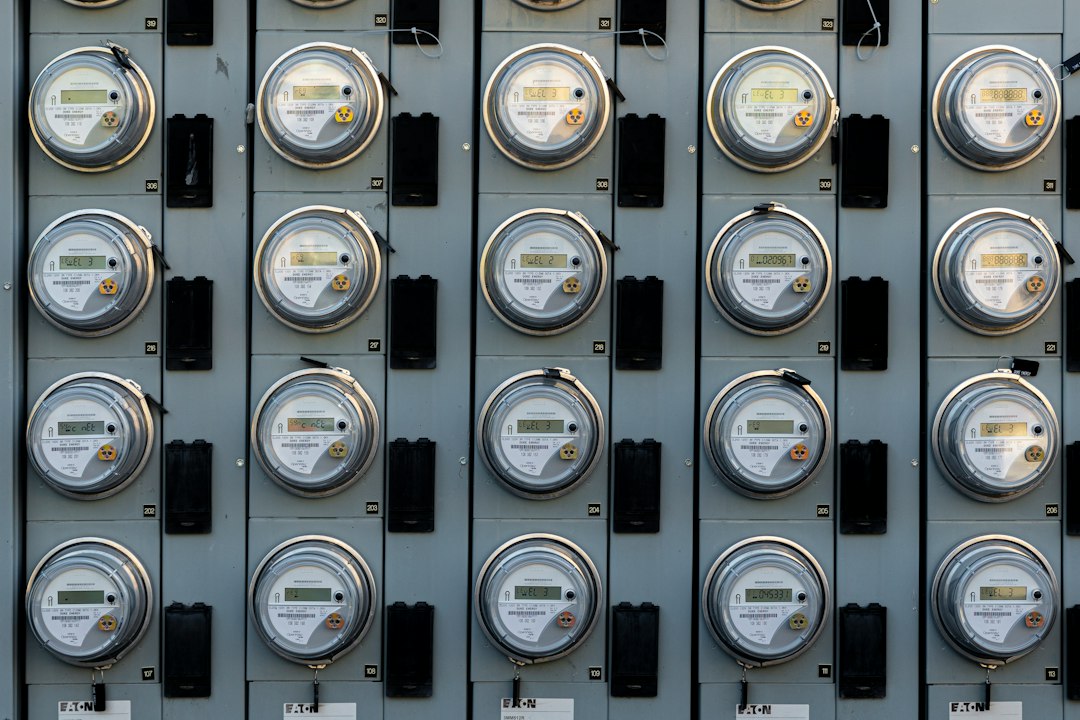
Why is my electric bill so high?
14 common causes, how to spot each one on your bill, and what to do about it.
- U.S. residential electricity is forecast to average about 18.2¢ per kWh in 2026, up from 17.3¢ in 2025, according to the Energy Information Administration.
- A higher bill comes from one of two things: you used more kilowatt-hours, or each one cost more. Your bill shows which.
- Heating, cooling, and water heating are usually the biggest levers. Small gadgets matter less than people think.
General consumer information. Rates, fees, and programs vary by utility and state. Hire a licensed electrician for any electrical work.
Opening a bill that’s much higher than you expected is stressful, especially when you don’t feel like you did anything differently. The good news: most surprise bills have an ordinary explanation, and you can usually find it in about 15 minutes with your bill and a little detective work.
Step one: figure out what actually changed
Every electric bill comes down to two numbers: how many kilowatt-hours (kWh) you used and what you paid per kWh, plus fixed fees. Grab this bill and the one from the same month last year, then compare:
- Total kWh used. If it went up, something in your home is using more power. Causes 2–14 below.
- Price per kWh and fixed charges. If usage is flat but the bill rose, it’s the rate. Cause 1 below.
- Days in the billing period. A 34-day cycle costs more than a 28-day one.
- “Estimated” vs. “actual” reading. An estimated bill can be off, and the next actual reading may bring a catch-up charge.
Many utilities also show daily or hourly usage in their app or online account. A spike on specific days, such as a cold snap or a weekend with guests, often points straight to the cause.
What’s a “normal” electric bill?
In 2024, the average U.S. home used about 865 kWh a month and paid about $144, according to the Energy Information Administration. At the 2026 forecast average of 18.2¢ per kWh, that same usage would cost roughly $157 before local fees and taxes. Your number can be very different depending on climate, home size, and whether you heat with electricity, so the most useful comparison is your own bill from the same month last year.
What common appliances cost per month
Examples at 18.2¢ per kWh. Your appliances and habits may differ, so check the wattage label or use a plug-in meter.
| Appliance and use | kWh per month | Cost per month |
|---|---|---|
| 1,500 W space heater, 8 hrs/day | 360 | about $65 |
| EV charging, about 1,000 miles | about 300 | about $55 |
| Older second fridge (about 1,000 kWh/yr) | about 83 | about $15 |
| Electric dryer, 4 loads/week (about 3 kWh/load) | about 50 | about $9 |
| 100 W TV, 5 hrs/day | 15 | about $2.70 |
| 60 W incandescent bulb, 5 hrs/day | 9 | about $1.64 |
| 9 W LED bulb, 5 hrs/day | 1.4 | about $0.25 |
The pattern is clear: anything that makes heat (space heaters, water heaters, dryers, electric furnaces) or moves a lot of energy (EV charging) dominates. Chargers and small electronics barely register.
The 14 most common causes
1. Your rate went up
Electricity prices are rising in every region of the country. Utilities point to grid upgrades, storm hardening, fuel costs, and rising demand from data centers and new industry. Check the “price to compare,” supply rate, or delivery charges on your bill. If you live in a state with retail choice, you may be able to compare supply offers, but read the contract term, any early termination fee, and whether the rate is fixed or variable.
2. The weather turned
A cold snap or a heat wave is the single most common reason for a jump. Your heating or cooling system simply runs longer. Compare to the same month last year, not last month.
3. Electric resistance heat or space heaters
Baseboard heaters, electric furnaces, and plug-in space heaters turn electricity into heat one-for-one. A single 1,500-watt space heater running eight hours a day can add roughly $65 a month at average 2026 rates. See our breakdown of what a space heater costs to run.
4. Your heat pump is leaning on backup heat
Heat pumps are efficient, but many have electric “auxiliary” or “emergency” heat strips that kick in during very cold weather or if the thermostat is set up wrong. If your thermostat often shows “aux” or “em heat,” ask an HVAC technician to check settings and refrigerant charge.
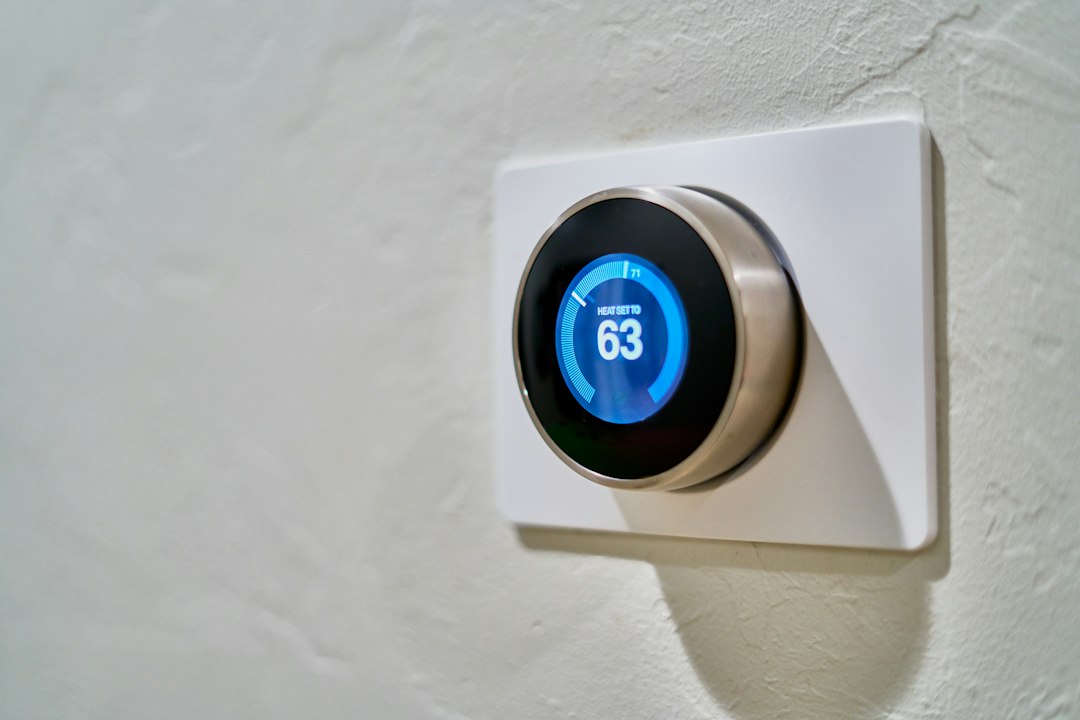
5. Thermostat settings
Every degree counts. The U.S. Department of Energy says turning your thermostat back 7–10°F for eight hours a day can save up to about 10% a year on heating and cooling. A programmable or smart thermostat makes this automatic.
6. An electric water heater set too hot
Water heating is one of the biggest energy uses in most homes. Many tanks ship set at 140°F; the Department of Energy suggests 120°F for most households. Fixing leaky faucets and using a low-flow showerhead helps too.
7. An old or second refrigerator
That garage fridge or freezer can quietly add up, especially an older model in a hot or cold garage. If you don’t need it, unplug it. If you do, check that the door seals close tightly.
8. Devices that never really turn off
TVs, game consoles, cable boxes, chargers, and computers draw “standby” power around the clock. Individually it’s small, but together it can be noticeable. Smart plugs or power strips with switches let you cut it off.
9. Drafts and thin insulation
Air leaking around doors, windows, attic hatches, and outlets makes your heating work harder. Weatherstripping, door sweeps, and window film are cheap, renter-friendly fixes.
10. A clogged furnace or AC filter
A dirty filter restricts airflow and makes the system run longer. Check it monthly during heavy-use seasons and replace as needed.
11. Old light bulbs
Residential LED bulbs use at least 75% less energy than incandescent bulbs and last far longer, according to the Department of Energy. If any old bulbs remain, especially in lamps you use for hours a night, swap them.
12. An estimated bill or a catch-up charge
If your utility couldn’t read the meter, it may have estimated low for a few months and then billed the difference. Look for “estimated” on past bills. If something looks wrong, call and ask for an actual reading.
13. The wrong rate plan
Time-of-use plans charge more during peak hours, often late afternoon and evening. If you run the dryer, dishwasher, or EV charger at peak, your bill can climb even if usage doesn’t. Ask your utility which plans are available and whether shifting usage would help.
14. A new big load
An EV charger, hot tub, pool pump, dehumidifier, a new home office, or a well or sump pump running more than usual can all add up. A pump or appliance that runs constantly may also signal a problem worth having checked.
If your bill is hard to pay
Call your utility before the due date. Many offer payment plans, budget billing that spreads costs evenly over the year, and referrals to local energy assistance. You can also dial 211 to find help in your area. Most states have rules about winter shutoffs; your utility or state utility commission can explain the ones that apply to you.
Helpful gear
Find the energy hogs and fix them cheaply
Plug an appliance into it to see exactly how much power it draws and what it costs. Great for that garage fridge or space heater.See usage meters on Amazon →
Automates setbacks while you sleep or are away. Check compatibility with your heating system before buying.See thermostats on Amazon →
Seals drafts around doors and windows in an afternoon. Inexpensive and usually renter-friendly.See weatherstripping on Amazon →
Cut standby power to TVs and consoles on a schedule, and see usage in an app.See smart plugs on Amazon →
As an Amazon Associate we earn from qualifying purchases. Links open Amazon search results for a type of product; we haven’t tested specific models.
Common questions
Why is my bill high when I haven’t used more electricity?
Check the price per kWh, fixed charges, and the number of days in the billing period. Rate increases, new fees, or a longer cycle can raise the bill even when usage is flat.
Could my meter be wrong?
It’s uncommon, but possible. If your usage jumped and nothing in the home changed, ask your utility to verify the reading or test the meter. Many will do this at no charge.
Is budget billing worth it?
Budget billing doesn’t lower what you pay over a year; it smooths out the peaks so winter or summer bills are predictable. It can help with budgeting, but you’ll still settle up for actual usage.
Does unplugging chargers really help?
A single phone charger uses very little. The bigger standby users are TVs, game consoles, cable boxes, and desktop computers. Focus on heating, cooling, and water heating first.
Would solar lower my bill?
It can, depending on your roof, rates, and utility rules. Start with what solar costs in 2026 and signs your home is a good fit.
Sources: U.S. Energy Information Administration, Short-Term Energy Outlook (October 2026) and Today in Energy (2024 average residential usage and bills); U.S. Department of Energy, Energy Saver; ENERGY STAR. Updated October 2026.