
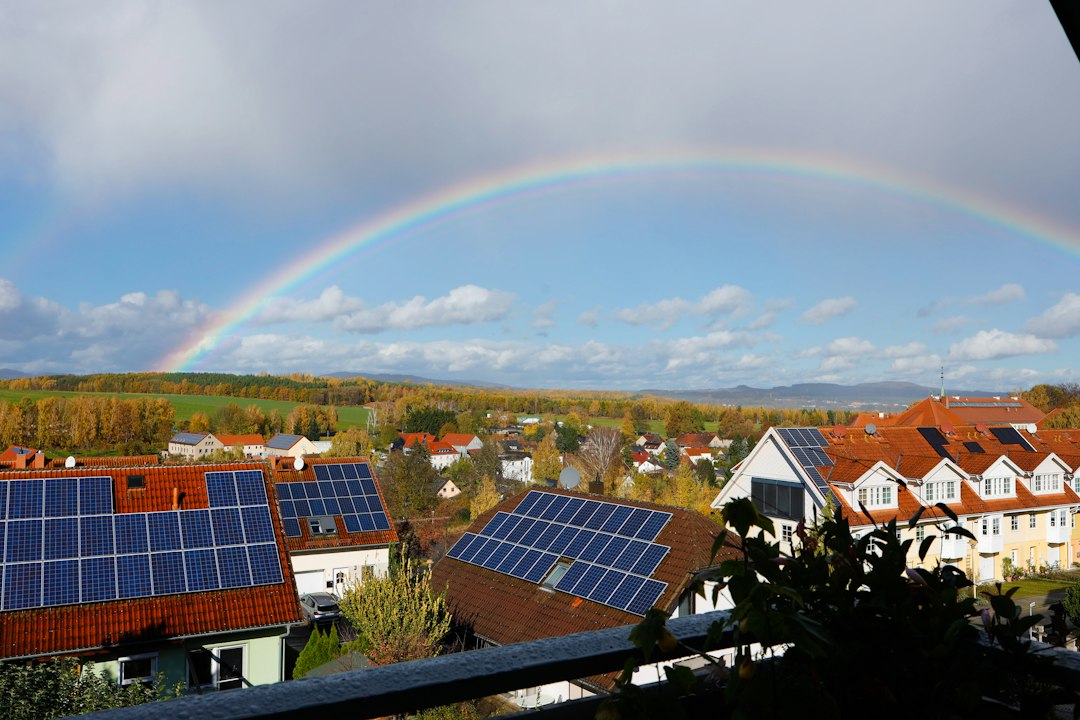
Is your house actually a good fit for solar?
Check these 11 signs before you sit through a sales pitch.
- Roof direction, shade, and roof age matter most on the physical side.
- Your electric rate and your utility’s net metering rules drive the savings.
- If you might move soon, think hard before buying or leasing.
General consumer information, not financial advice. Every home and utility is different; get written quotes and check local rules before deciding.
Solar works brilliantly on some houses and barely pays off on others, sometimes on the same street. Before you sit through a sales visit, run through these eleven signs. If most land in the “good fit” column, quotes are worth getting. If several don’t, you may save more with simpler fixes.
The roof
1. Which way your roof faces
Good fit: a large roof section facing south, or east and west. Less ideal: only north-facing roof space, which produces noticeably less power in most of the U.S.
2. How much shade it gets
Good fit: sun on the roof most of the day. Less ideal: tall trees, neighboring buildings, or chimneys shading the panels for much of the day. Shade cuts output, and cutting down healthy trees has its own costs.
3. How old the roof is
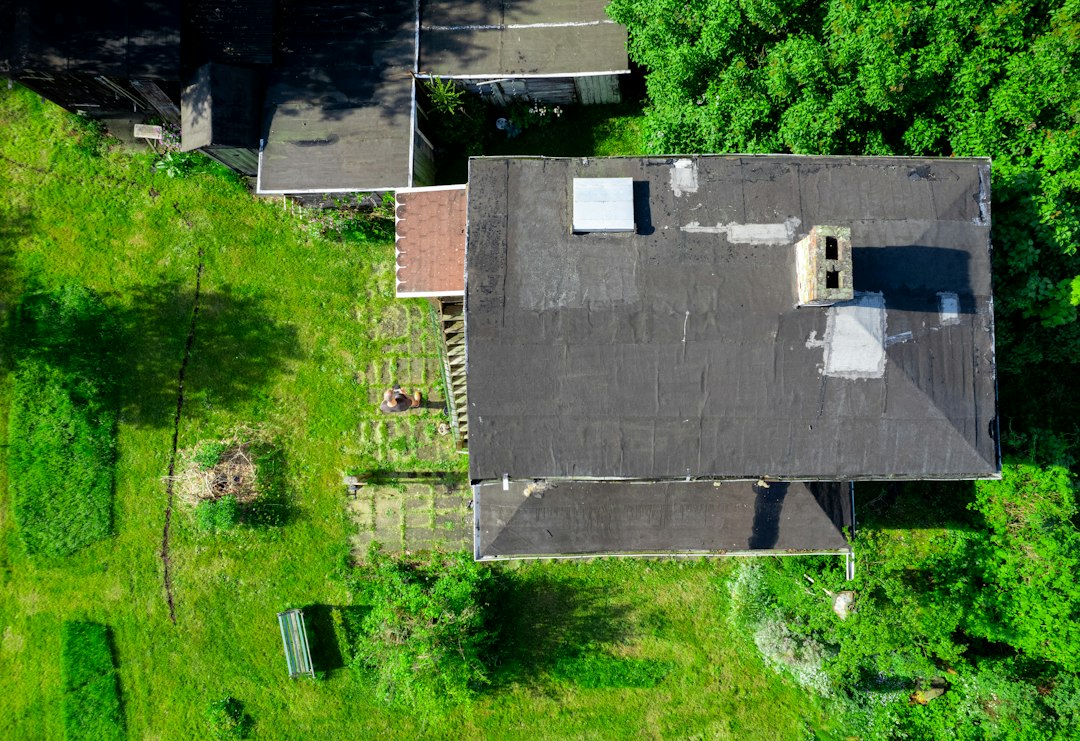
Good fit: a roof with many years of life left. Less ideal: a roof due for replacement soon. Panels are designed to last decades; removing and reinstalling them for a roof job adds real cost. Many homeowners replace the roof first.
4. What the roof is made of
Asphalt shingle and standing-seam metal roofs are generally the simplest for installers. Tile, slate, and wood shake can be done but often cost more. Flat roofs need tilted racking.
Your bills and your utility
5. Your electric rate and usage
Good fit: high electricity prices and high monthly usage. Less ideal: cheap power and small bills, which leave less to save. Check the price per kilowatt-hour on your bill, including delivery charges.
6. How your utility credits solar
Net metering, the credit you get for power you send to the grid, can make or break the math. Some utilities credit at close to retail rates; others pay much less for exported power. Call your utility before you get quotes.
7. You’ve already cut the easy waste
Sealing drafts, fixing an old thermostat setup, and switching to LEDs shrink the system you need, so you pay for fewer panels. It’s usually the cheaper first step.
Your plans and paperwork
8. How long you plan to stay
Good fit: you expect to stay many years. Less ideal: you may move soon. An owned system may not pay back before a sale, and a lease has to be transferred or paid off. See our questions to ask before signing a solar lease.
9. HOA and local rules
Many states limit how much an HOA can restrict solar, but HOAs can often still set placement or appearance rules. Read your HOA’s rules and ask your city about permit requirements and timelines.
10. Your electrical panel
Older or smaller electrical panels sometimes need an upgrade to handle solar, which adds to the cost. Ask each installer to check and to include any panel work in the written quote.
11. How you’d pay for it
Since the federal homeowner tax credit ended in 2025, financing matters even more. Compare cash, a loan’s total cost with interest, and lease or PPA terms side by side. Our explainer on whether solar is still worth it in 2026 walks through the options.
Quick self-check: if you answered “good fit” to the roof direction, shade, roof age, and electric rate questions, solar is worth pricing out. If two or more of those were “less ideal,” focus on cutting energy waste first and revisit solar later.
Free tools such as Google’s Project Sunroof and the PVWatts calculator from the Energy Department’s National Laboratory of the Rockies (formerly NREL) can give you a rough estimate of your roof’s solar potential before anyone visits your home.
Not a great fit? Other ways to save
If your roof is shaded, aging, or you rent, you still have options. Community solar lets many households subscribe to a shared solar project and get credits on their electric bill, with no panels on their own roof. And cutting waste at home, from drafts to an old water heater setting, lowers your bill whether or not you ever go solar.
Helpful gear
Know your usage before you talk to an installer
Shows exactly what an old fridge, space heater, or dehumidifier costs to run, so you can cut waste first and buy a smaller system.See usage monitors on Amazon →
Tracks usage for the whole house by time of day, which helps you size solar and check savings later. Must be installed in your electrical panel by a qualified electrician.See home energy monitors on Amazon →
Heating and cooling are usually the biggest part of an electric bill. Check your utility for a rebate before buying.See smart thermostats on Amazon →
As an Amazon Associate we earn from qualifying purchases. Links open Amazon search results for a type of product; we haven’t tested specific models.
Estimate it yourself before anyone visits
Free tools can give you a rough idea in about 15 minutes, which makes it much easier to spot an inflated sales pitch.
- Download your usage. Most utilities let you export 12 months of usage from your online account. Note your total yearly kilowatt-hours and your average price per kWh.
- Map your roof. Google’s Project Sunroof, where available, estimates how much sun your roof gets and how many panels might fit.
- Run PVWatts. The free PVWatts calculator, from the Energy Department’s National Laboratory of the Rockies (formerly NREL), estimates yearly production for a system size, tilt, and direction you enter. Try a few sizes.
- Compare. If the estimated production covers a large share of your usage and your price per kWh is high, solar quotes are worth getting.
When waiting is the smarter move
Solar isn’t a now-or-never decision. Holding off for a year or two often makes sense if:
- Your roof needs replacing soon, and you’d rather do that first.
- You’re planning a move, a remodel, or an addition that changes the roof or your usage.
- Your utility is in the middle of changing its net metering rules; wait to see the final version.
- You’d have to finance at a high interest rate, which can erase most of the savings.
- You haven’t yet tackled cheaper fixes like sealing drafts, a thermostat schedule, and LED lighting.
Common questions
Does solar work in cloudy or cold states?
Yes. Panels still produce power on cloudy days, just less, and they actually work efficiently in cool temperatures. Whether solar pays off depends more on your electric rates and your utility’s rules than on your climate alone.
How big a system would I need?
It depends on how much electricity you use. A good installer sizes the system from at least 12 months of your bills. Be wary of a quote that doesn’t ask for your usage history.
Do solar panels need a lot of maintenance?
Usually very little. Panels have no moving parts. The inverter, the box that converts panel power for your home, is the part most likely to need repair or replacement during the system’s life, so check its warranty separately.
Should I add a battery?
A battery makes the most sense if outages are common where you live or your utility pays little for exported power. Our guide on whether a home battery is worth it walks through who benefits.
What should I check in a quote?
System size, estimated yearly production, total price, cost per watt, equipment brands, and warranties. Our step-by-step guide to comparing solar quotes explains each one.
Sources: U.S. Department of Energy; National Laboratory of the Rockies (formerly the National Renewable Energy Laboratory). Updated October 2026.
More in our 2026 solar guide
- Is solar still worth it without the tax credit?
- What solar panels cost in 2026
- 9 numbers to compare on solar quotes
- Cash vs. loan vs. lease vs. PPA
- 9 questions before you lease solar panels
- Net metering, explained
- Is a home battery worth it?
- Community solar for renters and shady roofs
- Selling a house with solar panels
- 12 solar sales red flags