
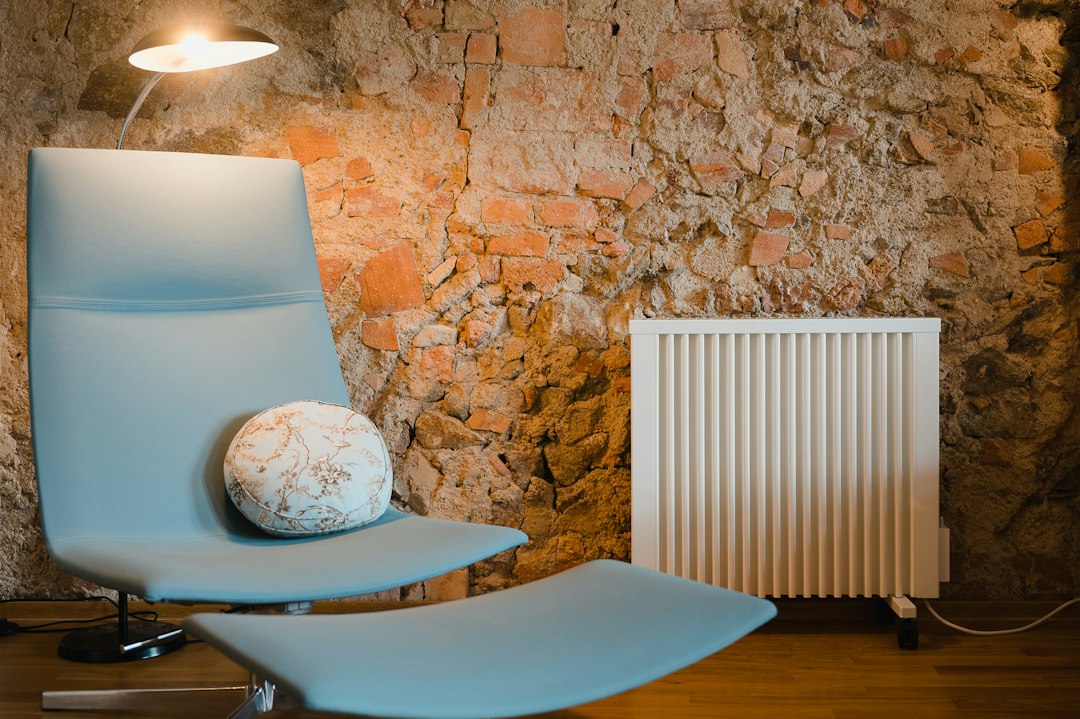
What does a space heater really cost to run?
The hourly and monthly math, when it saves money, and how to use one safely.
- Most plug-in space heaters top out at 1,500 watts. At the 2026 U.S. average of about 18.2¢ per kWh, that’s roughly 27¢ an hour.
- Run eight hours a day, that’s about $65 a month. On the low setting, about half.
- A space heater saves money only if it lets you turn down the heat for the rest of the house.
General consumer information. Your actual cost depends on your electricity rate, heater setting, and how often the thermostat cycles. Always follow the manufacturer’s safety instructions.
Space heaters are cheap to buy, which makes it easy to forget they can be expensive to run. Whether one helps or hurts your budget depends on three things: your electricity rate, how long you run it, and what you’re heating the rest of the house with. Here’s how to work it out for your home.
The simple formula
Example: 1,500 W ÷ 1,000 × $0.182 = about $0.27 an hour.
Find your price per kWh on your electric bill: divide the total electricity charges by the kWh used for a rough all-in rate. The wattage is printed on the heater’s label, usually 1,500 watts on high and 750 to 900 watts on low.
Space heater cost table
This assumes the heater runs continuously at that setting. Most heaters with a thermostat cycle on and off once a room warms up, so real costs are often lower.
| Setting | Rate | Per hour | 8 hrs a day | 30 days (8 hrs/day) |
|---|---|---|---|---|
| 1,500 W (high) | 14¢/kWh | 21¢ | $1.68 | about $50 |
| 1,500 W (high) | 18.2¢/kWh (U.S. avg.) | 27¢ | $2.18 | about $65 |
| 1,500 W (high) | 30¢/kWh | 45¢ | $3.60 | about $108 |
| 750 W (low) | 14¢/kWh | 11¢ | $0.84 | about $25 |
| 750 W (low) | 18.2¢/kWh (U.S. avg.) | 14¢ | $1.09 | about $33 |
| 750 W (low) | 30¢/kWh | 23¢ | $1.80 | about $54 |
Rates near 30¢ are common in parts of New England and California; much of the South and Midwest pays less. The 18.2¢ figure is the Energy Information Administration’s 2026 national forecast.
What size heater do you need?
A common rule of thumb is about 10 watts per square foot for a room with standard ceilings and average insulation. That means a 1,500-watt heater can warm roughly 150 square feet, about a 12-by-12-foot bedroom. A drafty room or high ceilings need more; a small, well-sealed office may be fine on the 750-watt setting, which halves the cost.
Does the type of heater change the cost?
Less than ads suggest. Ceramic, oil-filled, infrared, and fan-forced heaters all turn electricity into heat at essentially the same rate: a 1,500-watt heater puts out about the same heat no matter how it’s built. What differs is how that heat feels:
- Ceramic and fan heaters warm a room fast but cool off fast when they shut off.
- Oil-filled radiators heat slowly, stay warm after cycling off, and are quiet, a good fit for bedrooms.
- Infrared heaters warm people and objects directly, useful if you sit in one spot.
Be skeptical of any heater claiming to “cut your heating bill in half.” The savings come from heating a smaller space, not from the heater itself.
When a space heater saves money, and when it doesn’t
Likely to save:
- You spend most of the evening in one room and can lower the central thermostat several degrees.
- Your home heats with expensive electric baseboard or an electric furnace, and you only need one room warm.
- You need a little extra warmth in a chilly home office for a few hours.
Likely to cost more:
- You run it on top of normal central heat without turning the thermostat down.
- Your home has a heat pump. Heat pumps typically deliver two to three times as much heat per kWh as a space heater, so a space heater is the pricier way to warm the same room.
- You run it all day in a drafty room. Seal the drafts first; see why your electric bill is so high for cheap fixes.
Cheaper ways to stay warm
- Heated throw or electric blanket. Many use well under 200 watts, which at average rates is a few cents an hour.
- Layer up and warm the person, not the room: warm socks, slippers, and a blanket on the couch.
- Seal drafts around doors and windows with weatherstripping and door sweeps.
- Open curtains on sunny days and close them at night.
- Lower the thermostat at night and use a warm blanket instead.
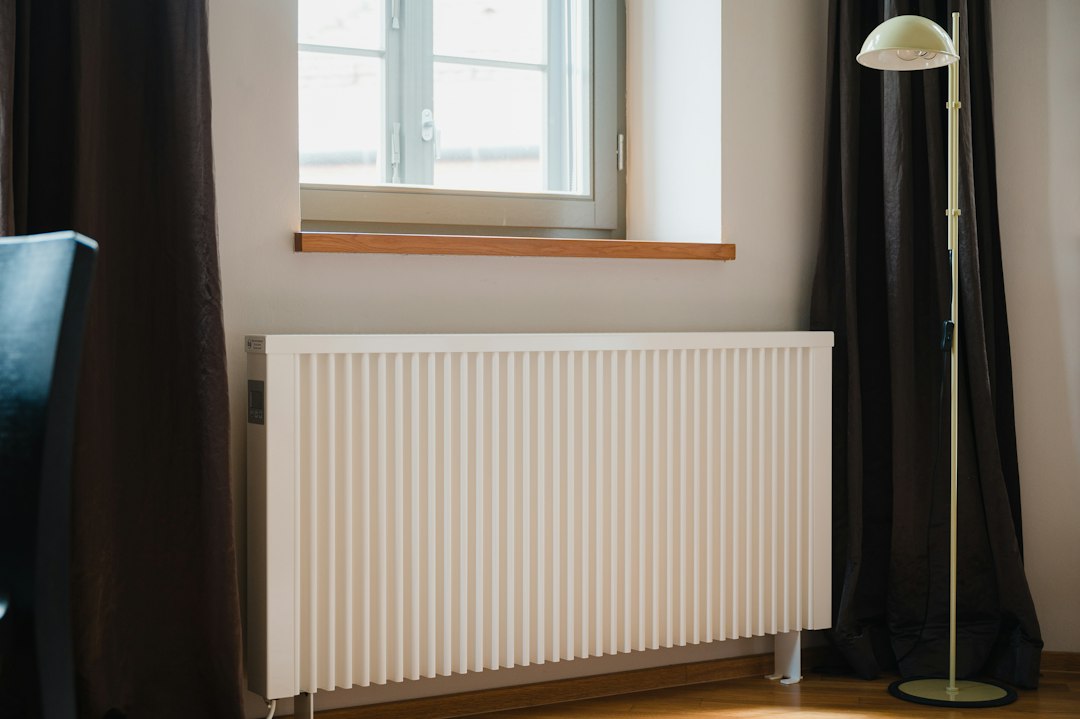
Space heater safety: the rules that matter most
The National Fire Protection Association counts about 38,900 home heating equipment fires a year in the U.S. (2019–2023 average), with the peak from December through February. Space heaters are involved in a large share of the deadliest ones. These steps cut the risk sharply:
- Keep a three-foot clear zone around the heater: no curtains, bedding, clothing, paper, or furniture.
- Plug it directly into a wall outlet. Never use an extension cord or power strip; they can overheat.
- Choose a heater with tip-over and overheat shutoff, certified by a recognized lab such as UL, ETL (Intertek), or CSA.
- Turn it off when you leave the room or go to sleep.
- Keep kids and pets away, and place the heater on a hard, level floor.
- Test your smoke alarms and keep one on every level of the home and outside sleeping areas.
Helpful gear
Stay warm safely without wasting power
Look for a built-in thermostat, a low setting, and a UL, ETL, or CSA safety listing.See safer space heaters on Amazon →
Quiet, steady warmth for bedrooms. Same power use as other 1,500-watt heaters, but holds heat after it cycles off.See oil-filled heaters on Amazon →
Warms you for a fraction of a space heater’s cost. Choose one with auto shutoff.See heated throws on Amazon →
A combination alarm covers both risks. Put one on every level and near bedrooms.See combo alarms on Amazon →
As an Amazon Associate we earn from qualifying purchases. Links open Amazon search results for a type of product; we haven’t tested specific models.
Common questions
Is it cheaper to run a space heater or central heat?
For one room, a space heater can be cheaper if you turn the central thermostat down. To heat a whole house, central heat, especially a heat pump or efficient gas furnace, is usually cheaper.
Do “energy-efficient” space heaters use less electricity?
All electric resistance heaters convert power to heat at nearly the same rate. Features like thermostats, timers, and eco modes help by running the heater less, not by making heat more cheaply.
Is it safe to leave a space heater on overnight?
Safety agencies recommend turning space heaters off when you go to sleep. Use a heated blanket with auto shutoff or extra bedding instead.
Can I plug a space heater into a power strip?
No. Plug it directly into a wall outlet. A 1,500-watt heater draws a heavy, steady load that can overheat power strips and extension cords.
How can I see what my heater actually costs?
Plug it into an electricity usage meter for a day. It shows kWh used, which you multiply by your rate.
Sources: U.S. Energy Information Administration, Short-Term Energy Outlook (October 2026); National Fire Protection Association, Home Heating Fires report (2025); U.S. Consumer Product Safety Commission; U.S. Department of Energy, Energy Saver. Updated October 2026.