
Solar savings with no panels on your roof
How community solar works, who it’s for, and what to check before you subscribe.
- You subscribe to part of a shared solar project and get credits on your electric bill.
- No installation, no roof needed, so it works for renters and condo owners.
- Availability depends on your state and utility, and contract terms vary widely.
General consumer information. Community solar programs, credit rates, and consumer protections vary by state. Read the full subscription agreement before you sign up.
Rooftop solar isn’t an option for a lot of people. Maybe you rent, live in a condo, have a roof shaded by big trees, or just don’t want equipment on your house. Community solar was designed for exactly these households. It lets you benefit from solar power produced somewhere else in your area, with savings showing up as credits on your regular electric bill.
How community solar works
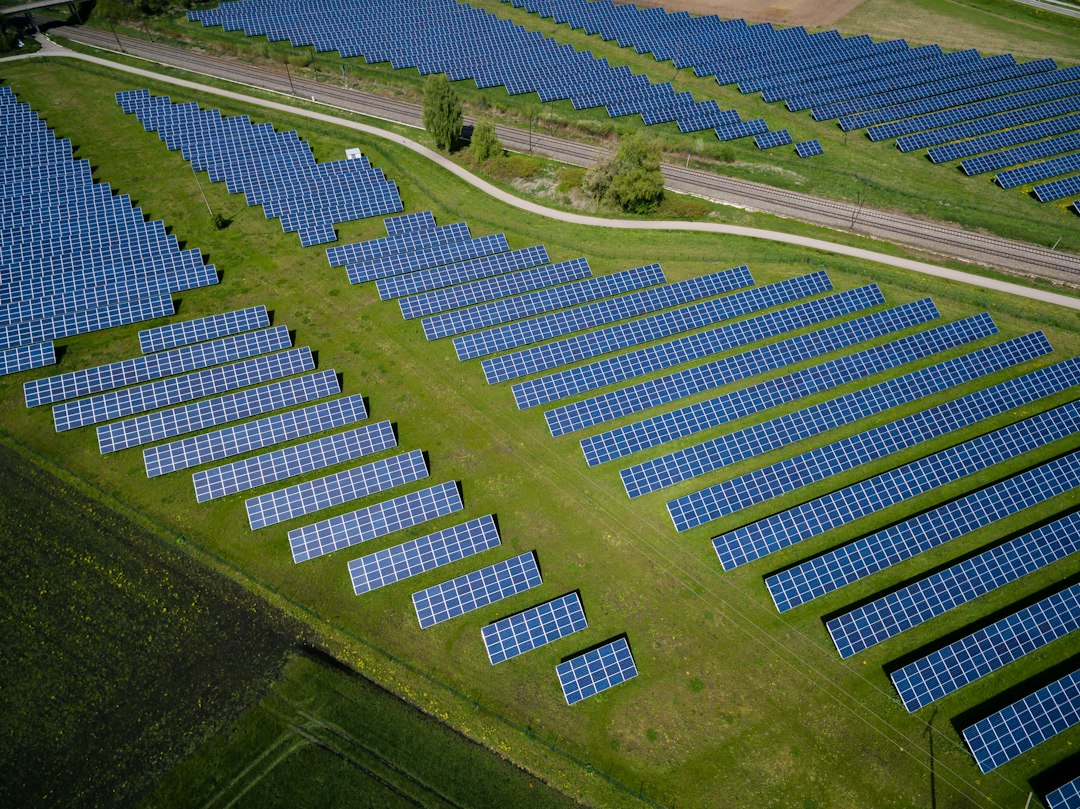
- A solar project is built nearby, often a field of panels on farmland, a landfill, or a large commercial roof, within your utility’s service area.
- You subscribe to a share of its output, usually sized to cover part of your typical electricity use.
- The project sends power to the grid, and your utility credits your bill for your share of what it produced.
- You pay the project company for those credits, typically at a discount, so the credits are worth more than you pay.
The power that actually reaches your home still comes from the grid like before. What changes is how your bill is calculated.
Two common models
| Subscription | Ownership | |
|---|---|---|
| What you buy | Credits from a share of the project’s output, paid monthly | A share of the panels themselves, paid upfront or financed |
| Upfront cost | Usually none | Yes |
| Typical savings | A modest percentage discount on the credits | Potentially larger over time, after you recover the upfront cost |
| Flexibility | Often easier to cancel or transfer | Harder to exit |
Most residential offers today are subscriptions. Some utilities also run their own community or “green power” programs, which work differently; ask whether you’re paying a discount or a premium.
Who community solar suits best
- Renters who can’t install panels.
- Condo and apartment owners without control of the roof.
- Homeowners with shaded, aging, or poorly oriented roofs. Our checklist of signs your home is a good fit for solar can help you decide.
- People who might move soon, as long as the contract allows easy cancellation or transfer.
- Lower-income households, since some states reserve shares or offer bigger discounts for income-qualified subscribers.
What to check in the contract
- The discount: how much less you pay than the value of the credits, and whether it’s fixed or can change.
- Contract length: some are month to month; others run 20 years or more.
- Cancellation fees: what it costs to leave early, and how much notice you must give.
- Moving: whether you can keep your subscription if you move within the same utility area, or transfer it.
- Billing: whether you get one combined bill from the utility or two separate bills.
- Credit check: whether one is required, and whether it’s a hard inquiry.
- Who regulates it: whether the program is part of an approved state program.
How to find a legitimate program
- Check your utility’s website for a community solar or shared solar page.
- Visit your state energy office or public utility commission, which often lists approved projects and subscriber protections.
- Look up your state on the Database of State Incentives for Renewables & Efficiency (DSIRE).
- Compare at least two offers if more than one is available.
Common questions
Will community solar lower my bill to zero?
No. Most subscriptions are sized to cover part of your usage, and you still pay your utility’s fixed charges. Savings are usually a steady, modest reduction rather than a dramatic drop.
Is community solar available everywhere?
No. It depends on state law and your utility. Some states have large programs; others have few or none. Your utility or state energy office can tell you what’s available.
What happens if the project produces less than expected?
You generally receive credits only for your share of what the project actually generates, so your bill credits can vary month to month, with more in sunny months.
How is this different from net metering?
It’s similar in spirit: both use bill credits for solar power sent to the grid. With rooftop solar, the credits come from your own panels; with community solar, they come from your share of a shared project. Learn more in our net metering explainer.
Sources: U.S. Department of Energy (community solar resources); National Renewable Energy Laboratory; state public utility commissions; Database of State Incentives for Renewables & Efficiency (DSIRE). Updated October 2026.