

Before you sign a 25-year solar contract, ask these 9 questions.
Escalators, home sales, roof repairs, and how to cancel.
- Solar leases and PPAs often run 20 to 25 years, longer than many people stay in a home.
- Yearly payment escalators and home-sale transfers are where most surprises happen.
- Door-to-door sales are generally covered by the FTC’s three-day Cooling-Off Rule.
General consumer information, not legal or financial advice. Have an attorney or a trusted advisor review any long-term contract before you sign.
With the homeowner solar tax credit gone in 2026, more companies are pushing leases and power purchase agreements (PPAs): little or no money down, and the company owns the panels on your roof. That can work well. It can also lock you into a contract that outlasts your mortgage. These nine questions separate a fair deal from an expensive one.
Quick definitions: with a lease, you pay a fixed monthly amount to use the panels. With a PPA, you pay a set rate for each kilowatt-hour the panels produce. In both, the company owns the equipment.
1. Does the payment go up every year, and by how much?
Many contracts include an escalator, a built-in yearly increase. A few percent a year compounds over 25 years into a much higher payment at the end. Ask for a year-by-year payment table for the full term and compare the last years with what you pay the utility today.
2. How long is the contract, and what happens at the end?
Terms of 20 to 25 years are common. At the end, you may be able to renew, buy the system, or have it removed. Find out who pays for removal and what condition your roof must be left in.
3. What happens if I sell my house?
This is where many homeowners get stuck. Usually the buyer must qualify for and take over the contract, or you must pay it off. Some buyers and lenders are wary of taking on a lease. Ask exactly how a transfer works, how long it takes, what the buyout would cost in years 5 and 10, and whether the company files a public notice against your property, which can come up during a sale or refinance.
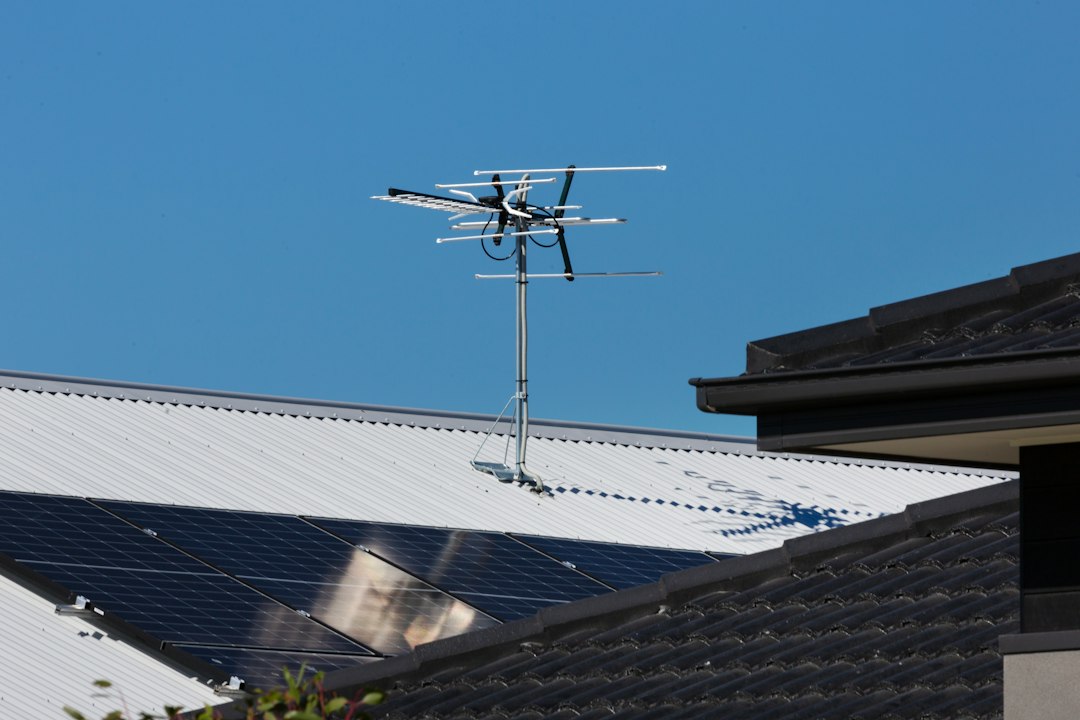
4. Who pays if the roof needs repair?
If your roof leaks or needs replacing during the contract, someone has to remove and reinstall the panels. Ask who pays, how much it typically costs, and whether the installer warrants the roof penetrations against leaks.
5. Is there a production guarantee?
A production guarantee promises the panels will generate a minimum amount of power each year, and pays you back if they fall short. Get the guaranteed amount in writing and ask how shortfalls are measured and paid.
6. Who maintains, repairs, and insures the system?
Under most leases and PPAs, the company handles maintenance and repairs. Confirm that, find out how fast they respond to outages, and ask whether you need to change your homeowners insurance.
7. Who gets the incentives, and does my price reflect them?
The company, not you, claims any federal business credit on a leased system. Ask how that and any state or utility incentive show up in your monthly price. If someone says you get a 30% federal tax credit on a lease in 2026, that’s a reason to slow down. Our explainer on what happened to the solar tax credit has the details.
8. Am I comparing against my real utility bill?
Salespeople often project steep utility rate increases to make the lease look better. Ask for the savings estimate using today’s rate with no increase assumed. If the deal only works with big rate hikes, it’s a weaker deal.
9. How do I cancel, and how long do I have?
If you sign at home with a door-to-door salesperson, the FTC’s Cooling-Off Rule generally gives you three business days to cancel, and many states add their own protections. Ask for the cancellation form, and don’t let installation start before the cancellation window closes.
Before you sign:
- Get the full contract, not a summary, and read it at home.
- Ask for the year-by-year payment table and the buyout schedule.
- Check the company with your state attorney general and the Better Business Bureau.
- Compare at least two other quotes, including an option to buy.
Not sure solar fits your home at all? See 11 signs your home is (or isn’t) a good fit for solar.
Lease or PPA: a quick comparison
| Solar lease | Solar PPA | |
|---|---|---|
| What you pay | A fixed monthly amount | A rate per kilowatt-hour the panels produce |
| Bill changes with sunshine? | No, the payment is the same | Yes, more sun means a higher solar bill (and a lower utility bill) |
| Who owns the panels | The solar company | The solar company |
| Who maintains them | Usually the company | Usually the company |
| Watch for | Yearly escalators, buyout costs | Rate escalators, minimum purchase terms |
Common questions
Can I get out of a solar lease early?
Usually only by buying out the contract or transferring it to someone else, typically a buyer of your home. Ask for the buyout price at several points in the contract before you sign, so you know what leaving would cost.
Will a solar lease affect refinancing my mortgage?
It can. Some lenders review solar contracts and any public filing tied to the panels before they approve a refinance or a buyer’s mortgage. Ask the solar company how they handle lender requests and how quickly they respond.
Is an escalator always bad?
Not always. A contract with an escalator may start at a lower payment. The fair way to compare is total cost over the full term. Ask for the same system priced with and without an escalator.
Should I compare a lease with buying?
Yes. Even if you lean toward a lease, get at least one purchase quote. Our guide to comparing solar quotes shows which numbers to line up side by side.
Where do I report a bad solar contractor?
Start with your state attorney general’s consumer protection office and your state’s contractor licensing board. You can also report deceptive sales practices to the FTC at ReportFraud.ftc.gov. Our list of solar sales red flags covers the most common tactics.
Sources: Federal Trade Commission; U.S. Department of Energy Homeowner’s Guide to Going Solar. Updated October 2026.