
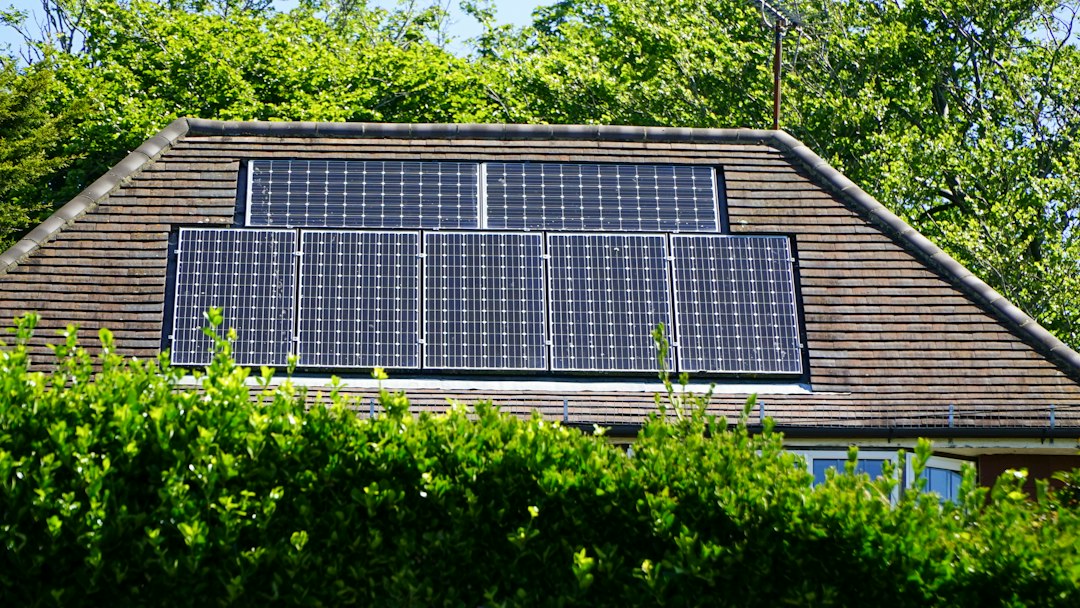
The 30% solar tax credit is gone. Here’s what homeowners need to know.
What changed, what’s left, and how to check the math for your own house.
- The homeowner solar tax credit (25D) ended for systems placed in service after December 31, 2025.
- Leased and PPA systems, state credits, tax exemptions, and net metering still matter.
- Your electric rate, roof, and utility’s net metering rules now decide whether solar pays off.
This guide is general consumer information, not tax, legal, or financial advice. Incentives vary by state and utility and can change. Confirm details with a tax professional and your utility before you sign anything.
For years, the pitch was simple: install solar and the federal government pays back 30% at tax time. If you priced out panels in 2024 or 2025, that credit was probably the biggest number on the quote. It’s gone now, and some sales pitches haven’t caught up. Here’s what actually changed, what’s left, and how to decide whether solar still makes sense for your home.
What changed on January 1, 2026
The One Big Beautiful Bill Act, signed in July 2025, ended the Residential Clean Energy Credit (often called the 25D credit) for homeowners at the end of 2025. If you buy a system with cash or a loan and it is placed in service in 2026 or later, there is no federal residential solar tax credit to claim. There was no gradual phase-down: it went from 30% to zero.
Two details matter here. First, what counts is when the system is installed and in service, not when you signed the contract or paid a deposit. Second, if your system was completed in 2025, you could still claim the credit on your 2025 tax return.
What incentives are still around
| Incentive | Who gets it | What to know |
|---|---|---|
| Business credit for leased or PPA systems (Section 48E) | The solar company that owns the panels | You don’t claim it, but the company may pass some savings on through a lower lease or power price. It is scheduled to phase out, so ask how it affects your price. |
| State tax credits | You, in a minority of states | Check your state energy office or revenue department. |
| Sales tax exemptions | You, in states that offer them | Several states exempt solar equipment from sales tax. |
| Property tax exemptions | You, in many states | Prevents your property tax from rising because of the added value of panels. |
| Utility rebates and net metering | You | Rules differ widely by utility. Net metering policy often matters more than any rebate. |
How to tell if solar still pays off for you
Without the federal credit, the math depends much more on your own home and utility. These are the factors that matter most.
Your electricity rate
The more you pay per kilowatt-hour, the more each kilowatt-hour your panels produce is worth. Look at your bill for the price per kWh, including delivery charges, not just the monthly total.
Your net metering rules
Net metering decides what your utility pays for extra power your panels send to the grid. Under full retail net metering, solar pays off faster. Some states and utilities have cut export credits, which makes batteries or a smaller system more important. Call your utility and ask exactly how solar customers are credited today.
Your roof and sun
A roof with good sun exposure, little shade, and plenty of life left on it is the best case. If your roof will need replacing in the next several years, replacing it first can avoid the cost of removing and reinstalling panels later.
How long you’ll stay
Solar is a long-term purchase. If you might move in a few years, an owned system may not pay for itself before you sell, and a lease can complicate the sale. Our guide to questions to ask before signing a solar lease covers what happens when you sell.
Your financing
A solar loan’s interest rate can erase much of your savings. Compare the total you’ll pay over the loan, not just the monthly payment, against what you pay the utility now.
Buying, leasing, or waiting
Buying gives you the most long-term savings if the numbers work, but the full cost now falls on you. Leasing or a PPA means little or nothing upfront and the company handles maintenance, but you save less over time and you’ll sign a 20-to-25-year contract. Waiting is a reasonable choice if your roof needs work, your rates are low, or you’re unsure how long you’ll stay.
Before you get quotes:
- Pull 12 months of electric bills and note your usage and price per kWh.
- Ask your utility how solar customers are credited for exported power.
- Check your state energy office for current credits and exemptions.
- Get at least three written quotes that show price with and without any incentive.
- Have anyone who mentions a tax credit put it in writing, with the exact credit named.
Not sure your house is a good candidate at all? Start with our checklist of signs your home is (or isn’t) a good fit for solar.
Helpful gear
Lower your bill while you decide on solar
Turns the heat or air back automatically when you’re asleep or away. Many utilities offer rebates on qualifying models.See smart thermostats on Amazon →
One of the cheapest ways to stop paying to heat or cool the outdoors. Takes about 20 minutes per door.See weatherstripping on Amazon →
Find the appliances quietly running up your bill before you size a solar system.See usage monitors on Amazon →
As an Amazon Associate we earn from qualifying purchases. Links open Amazon search results for a type of product; we haven’t tested specific models.
Common questions
I signed a solar contract in 2025. Can I still claim the 30% credit?
Generally only if the system was actually installed and in service by December 31, 2025. Signing a contract or paying a deposit in 2025 isn’t enough on its own. If your installation slipped into 2026, talk to a tax professional before you file.
Did the credit for home batteries end too?
Yes. The same homeowner credit covered battery storage, and it ended at the same time. Batteries can still make sense for backup power or for homes on certain rate plans; see our guide on whether a home battery is worth it.
Is leasing automatically the better deal now?
Not automatically. A lease lowers your upfront cost, and the company may pass along some of its own tax benefit. But you’ll usually save less over the life of the system, and the contract can complicate selling your home. Our cash vs. loan vs. lease comparison lays out the tradeoffs.
Could a new federal credit come back?
Only Congress can create one. As of October 2026, there is no replacement federal tax credit for homeowner-owned solar. Be skeptical of anyone who says a new program is about to launch and you need to sign today.
Where can I check incentives in my state?
The Database of State Incentives for Renewables & Efficiency (DSIRE) lists state and utility programs, and your state energy office can confirm what’s current. Your utility can explain how it credits solar customers; our net metering explainer shows what to ask.
Sources: IRS guidance on the Residential Clean Energy Credit; U.S. Department of Energy; Database of State Incentives for Renewables & Efficiency (DSIRE). Updated October 2026.