Victor Sterling, MS, CHDA
Patient Rights Advocate & Medical Billing Arbitrator
You visit the Emergency Room for a bout of severe dehydration. The nurse leads you to a bed, hooks an IV to your arm, and you rest while a standard bag of saltwater drips into your veins. You are discharged a few hours later feeling much better. But three weeks later, you open an envelope from the hospital and feel your chest tighten. There, buried in the middle of a massive invoice, is a line item for “IV Therapy & Solutions: $1,200.”
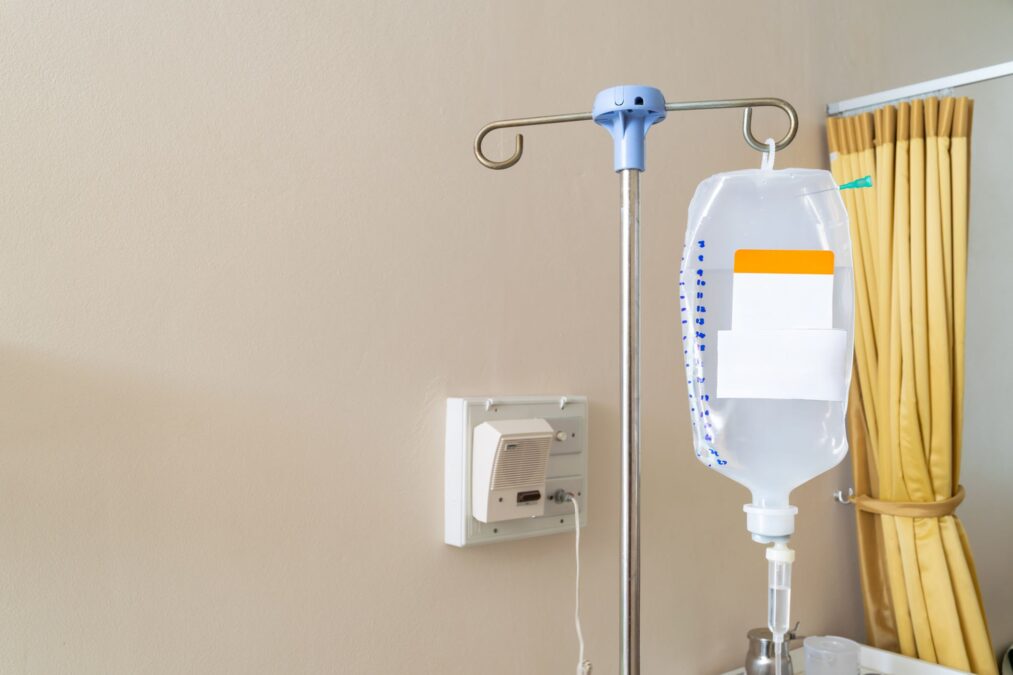
How does a liter of saltwater and essential minerals—which costs the hospital roughly $1.50 to buy from a medical supplier—suddenly cost more than a mortgage payment?
While Original Medicare typically shields beneficiaries from these absurd markups through strict, federally mandated allowable amounts, you are entirely exposed to them if you receive an out-of-network service on a Medicare Advantage plan, or if a specific treatment falls outside of Medicare coverage. To protect your retirement savings, you must understand the deceptive accounting mechanics behind the American hospital system and learn how to forcefully dispute these egregious markups.
💡 Insider Tip: Demand the Itemized Bill
Hospitals intentionally mail you a Summary Statement—a bill that clumps everything into vague categories like “Laboratory: $4,500” or “Pharmacy: $3,200.” This is designed to hide the outrageous markups. Your first move is to call the billing department and demand the Itemized Bill (often called a UB-04). It breaks down every single pill, bandage, and needle with its exact medical billing code.
1. The “Chargemaster” Illusion
The root cause of the $1,200 saline bag is a secretive internal pricing document called the Chargemaster. Every hospital in America maintains a Chargemaster, which is essentially an Excel spreadsheet of highly inflated, fictional retail prices for every single item and procedure in the building.
Why do they inflate the prices? Because commercial insurance companies demand massive “discounts” to keep a hospital in their network. If an insurance company demands a 60% discount, the hospital artificially inflates the Chargemaster price of a $100 service to $400, so that after the “discount,” they still get paid their desired $160.
The system works smoothly for insurance giants. But if you are uninsured, out-of-network, or paying out-of-pocket for an uncovered service, the hospital’s computer system automatically defaults to billing you the completely fictional, un-discounted Chargemaster rate. You are being charged the penalty rate designed for billion-dollar insurance companies.

Once you have the itemized bill in your hands, you can hunt for common billing errors like “Unbundling” or duplicate charges.
2. How to Audit Your Own Itemized Bill
Once you force the hospital to mail you the detailed, itemized bill, you must grab a highlighter and look for the three most common billing offenses that artificially inflate your total:
- Unbundling: This is a highly illegal but common practice where a hospital charges you separately for items that should be included in one comprehensive fee. For example, instead of charging a single fee for an “IV Infusion,” they will charge you $150 for the plastic tubing, $50 for the needle, $200 for the nurse’s time to insert it, and $800 for the saline bag itself.
- Upcoding: This occurs when a hospital bills for a more expensive or complex service than you actually received. Did you spend 15 minutes talking to an ER doctor about a mild fever? The hospital might code it as a “Level 5 ER Visit” (designed for severe, life-threatening traumas like car accidents) instead of a “Level 2” visit, instantly adding thousands of dollars to the bill.
- Phantom Charges: These are charges for medications or services that a doctor ordered, but you never actually received. For instance, a doctor might order a painkiller, but you felt fine and refused it. If the nurse forgets to update the chart, you will be billed $50 for a pill you never swallowed.
3. The Script: How to Negotiate the Bill Down
Armed with your itemized bill and your highlighters, it is time to call the hospital’s billing department. Do not act angry; act informed. The person on the phone did not set the prices, but they do have the authority to apply deep discounts if you push the right buttons.
Word-for-Word Negotiation Scripts
“Hello, I am reviewing my itemized statement and I see a charge of $1,200 for sodium chloride (saline). According to the Healthcare Bluebook and standard Medicare allowable rates, the fair market value for this is closer to $30. I am willing to pay a reasonable margin over cost, but I cannot pay this inflated Chargemaster rate. Can we re-rate this line item?”
“Because this service was out-of-network for my Medicare Advantage plan, I am paying entirely out-of-pocket. If I write you a check today to settle this account immediately, what is your uninsured/cash-pay discount?” (Note: Most hospitals will immediately slash the bill by 40% to 60% just to avoid sending it to collections).
The Bottom Line

The American hospital billing system relies on intimidation. When a patient sees official hospital letterhead demanding an astronomical sum for a routine procedure, their instinct is to panic and pay it to avoid damaging their credit. Do not fall for the bluff. The $1,200 saline bag is a symptom of a deeply broken pricing model, not a true reflection of your legal liability. By demanding an itemized bill, auditing for errors, and confidently negotiating the Chargemaster rates down to reality, you can save your retirement budget from thousands of dollars in unnecessary medical debt.