
Answer 7: A
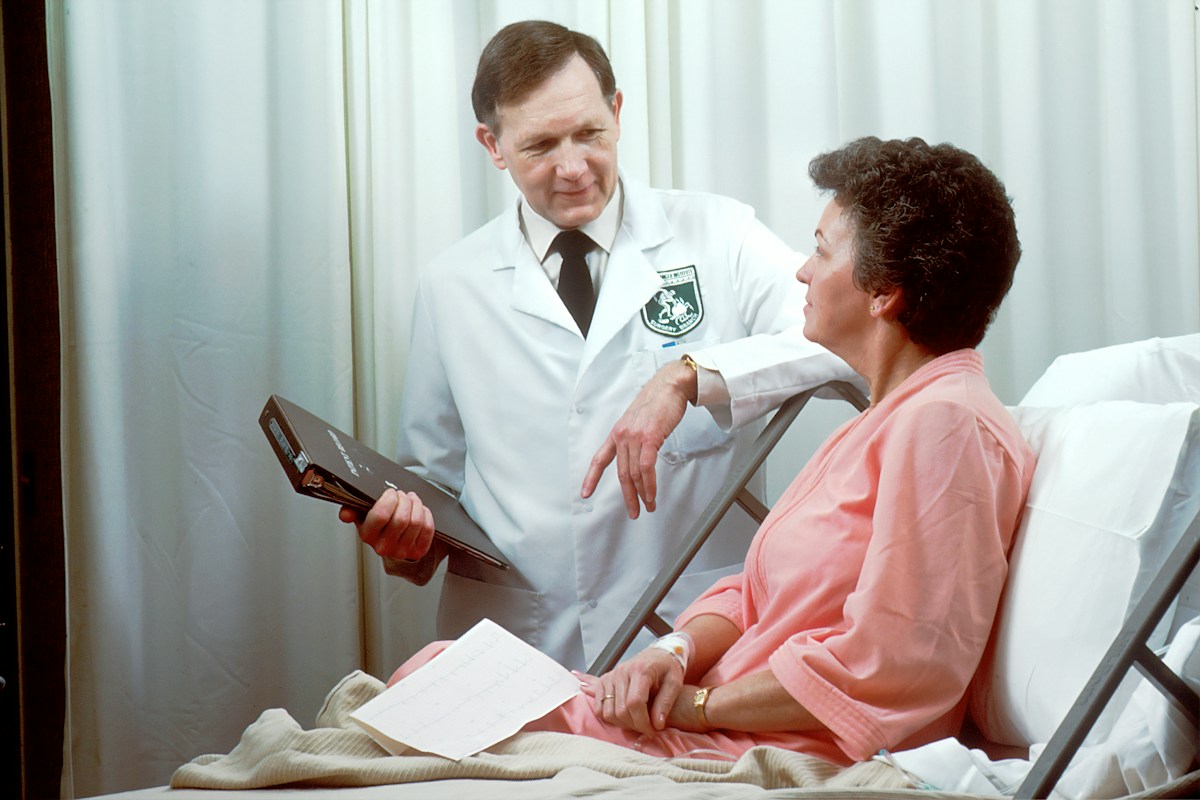
Your doctor is often your strongest ally. A letter of medical necessity explains your diagnosis, what you have already tried and why it did not work or was not safe, and why this treatment is right for you. It should respond directly to the reason in the denial, not just restate the original request.
Many plans also allow a peer-to-peer review, a phone call between your doctor and the plan’s medical reviewer. A few minutes of clinical conversation can clear up a misunderstanding that pages of forms could not. Ask your doctor’s office whether they can request one, and how quickly.
Changing a diagnosis to get coverage would be inaccurate and could be fraud. Samples are a short-term help at best. If the denial is about trying a cheaper drug first, a step therapy exception may be the right request.
Read more: How a peer-to-peer review works
Question 8 of 8: Free help
You feel overwhelmed by the appeal process. Where can you usually get free help?
- A. Only from a paid lawyer
- B. From the company that denied the claim, and nowhere else
- C. Nowhere; appeals are do-it-yourself only
- D. Your state’s consumer assistance program or insurance department, and for many job-based plans, the U.S. Department of Labor