Disclosure: As an Amazon Associate, The Health Advocate earns from qualifying purchases, at no extra cost to you.

A bill for surgery you never had? It happens more than you’d think.
The warning signs of medical identity theft, how to protect yourself, and exactly what to do if it happens.
✔ Medical identity theft is when someone uses your name or insurance to get care, drugs or payments.
✔ Read every Explanation of Benefits (EOB) or Medicare Summary Notice. That’s where it usually shows up first.
✔ Never give your insurance or Medicare number to someone who calls, texts or knocks unexpectedly.
✔ If it happens, report it at IdentityTheft.gov and to your insurer right away.
❓ What is medical identity theft?
It happens when someone uses your personal information, like your name, Social Security number or insurance ID, to see a doctor, get prescriptions or submit fake claims. Besides the bills, it can put wrong information in your medical records, like a blood type or diagnosis that isn’t yours.
⚠️ 9 warning signs

- A bill for care or equipment you never received
- An EOB or Medicare Summary Notice with unfamiliar services, dates or doctors
- A collection call about medical debt you don’t recognize
- Your insurer says you’ve reached a benefit limit you haven’t used
- You’re denied coverage for a condition you don’t have
- Your medical record lists allergies, conditions or medications that aren’t yours
- Unfamiliar medical collections on your credit report
- Calls or texts asking you to “verify” your Medicare or insurance number
- Offers of “free” genetic tests, braces or medical equipment in exchange for your Medicare number
🛡️ How to protect yourself

Guard your numbers
Treat your insurance and Medicare card like a credit card. Only share them with providers you trust.
Read every EOB
Check dates, providers and services. Call your insurer about anything you don’t recognize.
Shred old paperwork
Bills, EOBs, pill bottle labels and old insurance cards all contain personal details.
Secure your patient portals
Use strong, unique passwords and turn on two-step login.
Check your records
You have the right under HIPAA to get a copy of your medical records and ask for corrections.
📱 Scams to watch for right now

“Your Medicare card is expiring”
Medicare cards don’t expire. Callers asking you to confirm your number for a “new card” are fishing.
Fake insurer texts
Texts with links to “update your benefits” or “avoid losing coverage.” Log in through your insurer’s app or the number on your card instead.
“Free” equipment and tests
Offers of free braces, genetic tests or COVID test kits in exchange for your Medicare number. Your doctor orders what you need.
Data breach follow-ups
After a breach, scammers may call pretending to help. Real companies send letters and won’t ask for your full number by phone.
📞 What to do if it happens
- Call your insurer’s fraud line, or 1-800-MEDICARE if you have Medicare
- Report it to the FTC at IdentityTheft.gov to get a recovery plan
- Ask each provider involved for copies of your records and request corrections
- Place a free credit freeze with Equifax, Experian and TransUnion
- Keep a log of every call, letter and report
On Medicare? Your local Senior Medicare Patrol (SMP) offers free help with suspected Medicare fraud.
💻 Got a data breach letter? Do this
- Read which information was exposed (insurance ID, Social Security number, health details)
- Accept any free credit monitoring offered, through the official link or phone number in the letter
- Place a free credit freeze with all three bureaus
- Watch your EOBs closely for the next year
- Change passwords for your patient portal and any account using the same password
👴 Helping an older parent stay safe
Older adults are frequent targets because nearly everyone 65+ has a Medicare number. A few simple habits help:
- Agree on a family rule: never give a Medicare number to anyone who calls first
- Offer to review their Medicare Summary Notices together each quarter
- Put a sticky note by the phone: “Medicare will not call me. Hang up and call 1-800-MEDICARE.”
- Set up a locking mailbox or paperless notices if mail theft is a risk
🔐 Simple tools that help protect your information
Most medical identity theft starts with paperwork, mail or a weak password. These affordable tools close the easiest gaps.
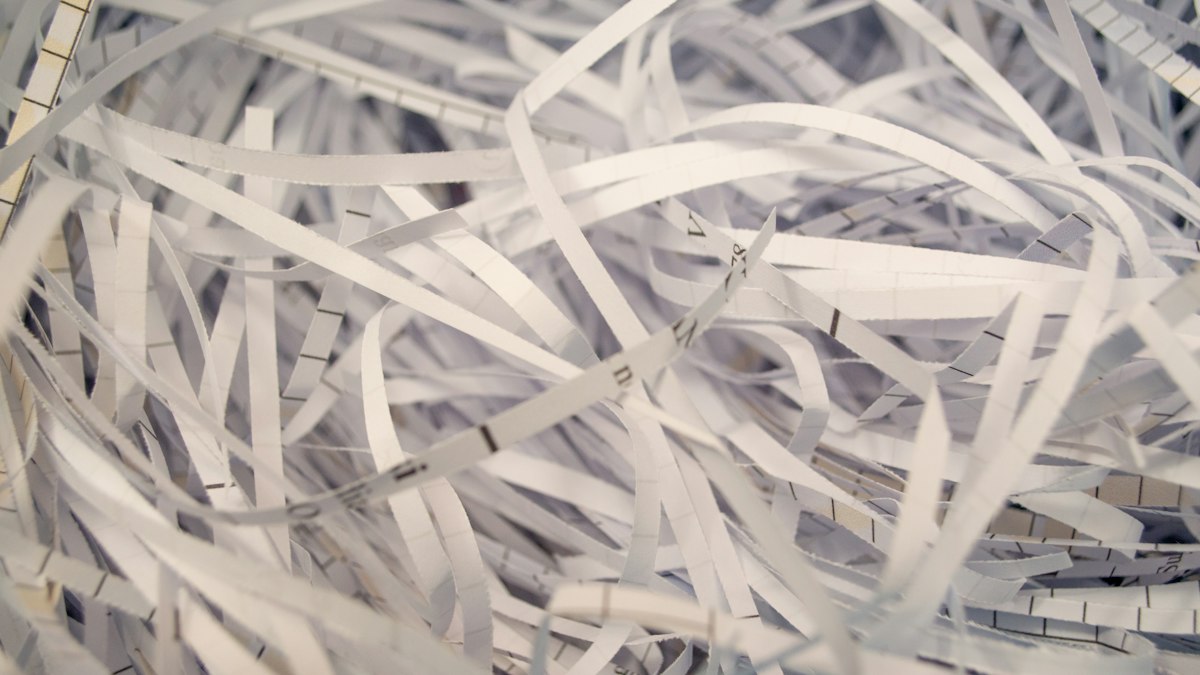
Micro-cut paper shredder
Our pick: Fellowes micro-cut paper shredder
Micro-cut shreds turn documents into confetti-sized pieces that are far harder to piece together than strip-cut shreds.
👍 Best for: Anyone with medical paperwork at home- Micro-cut or cross-cut security level
- A bin big enough for your paperwork
✋ Skip it if: You use a professional shredding service.
💡 Tip: Shred old EOBs, prescription labels and insurance cards you’ve replaced.
Check price on Amazon →Fireproof document safe
Our pick: SentrySafe fireproof document box
Keeps your Social Security card, insurance cards and medical records locked away at home.
👍 Best for: Important documents- Fire and water resistance
- A key or combination lock
✋ Skip it if: You keep originals in a bank safe deposit box.
💡 Tip: Keep your Social Security card here, not in your wallet.
Check price on Amazon →Locking mailbox
Our pick: Locking curbside or wall mailbox
EOBs, new insurance cards and medical bills arrive by mail. A locking mailbox keeps them out of the wrong hands.
👍 Best for: Homes with open mailboxes- Mail slot that fits large envelopes
- Sturdy lock and mounting
✋ Skip it if: You live in an apartment with locked mailboxes.
💡 Tip: Sign up for your insurer’s paperless EOBs too.
Check price on Amazon →Security key for your accounts
Our pick: YubiKey 5 NFC security key
Adds strong two-step protection to your email and other accounts that support it, which protects password resets for patient portals.
👍 Best for: Protecting email and online accounts- Works with your phone (NFC or USB-C)
- A second key as a backup
✋ Skip it if: You’re not comfortable setting up new security tools. An authenticator app is a simpler start.
💡 Tip: Set it up on your email first, since that’s where password resets go.
Check price on Amazon →RFID-blocking card holder
Our pick: RFID-blocking card wallet
A small, cheap extra layer for the cards you carry every day.
👍 Best for: Everyday carry- Slim design
- Enough slots for your cards
✋ Skip it if: You rarely carry cards. The bigger risks are mail, phone scams and data breaches.
💡 Tip: Leave your Medicare card at home unless you have an appointment that day.
Check price on Amazon →Locking file cabinet
Our pick: Small locking file cabinet
A step up from a document box for families with lots of medical and insurance paperwork.
👍 Best for: Households with a lot of records- Key lock
- Fits letter-size hanging folders
✋ Skip it if: A fireproof box holds everything you need.
💡 Tip: Keep the spare key somewhere separate.
Check price on Amazon →Webcam privacy cover
Our pick: Laptop webcam cover slide
A tiny, cheap habit for anyone who does telehealth visits and patient portal work on a laptop.
👍 Best for: Laptop users- Thin enough to close the laptop
- Easy slide
✋ Skip it if: Your laptop already has a built-in camera shutter.
💡 Tip: Slide it open only for video visits.
Check price on Amazon →Password logbook
Our pick: Password logbook with alphabetical tabs
For people who won’t use a password manager, a paper logbook kept at home beats reusing the same password everywhere.
👍 Best for: Older adults who prefer paper- Alphabetical tabs
- Discreet cover
✋ Skip it if: You use a password manager.
💡 Tip: Store it at home, never in your bag or car.
Check price on Amazon →Quick answers
Does a credit freeze affect my credit score?
No. A freeze stops new accounts from being opened in your name but doesn’t change your score. You can lift it temporarily when you need to apply for credit.
How do I check what’s been billed to my Medicare?
Log in to your Medicare.gov account to see claims, or read your Medicare Summary Notice when it arrives.
Can I report fraud anonymously?
You can report suspected Medicare fraud to 1-800-MEDICARE or your local Senior Medicare Patrol. They can explain your options.
How common is medical identity theft?
It gets less attention than credit card fraud, but it can be harder to fix because it affects both your bills and your health records.
Will my insurance cover fake claims?
Report them right away. Your insurer can investigate and reverse fraudulent claims, but the faster you report, the easier it is.
Should I give my Medicare number for a free test or brace?
No. Legitimate offers come through your own doctor. Unsolicited offers for “free” medical equipment or genetic tests are a common scam.
Can I get a copy of my medical records?
Yes. Under HIPAA you have the right to access your records and request corrections to anything that’s wrong.
Note: this is general information, not legal advice. For help, visit IdentityTheft.gov or call your insurer’s fraud line.
Start with the easy wins: shred old paperwork, read your next EOB, and never share your numbers with cold callers.
See our #1 pick →General information only. How we choose: we did not test these products ourselves. Picks are based on product features, brand reputation, independent reviews and public guidance. Amazon prices, models and listings change. Updated October 2026.