
Victor Sterling, MS, CHDA
Patient Rights Advocate & Medicare Policy Specialist
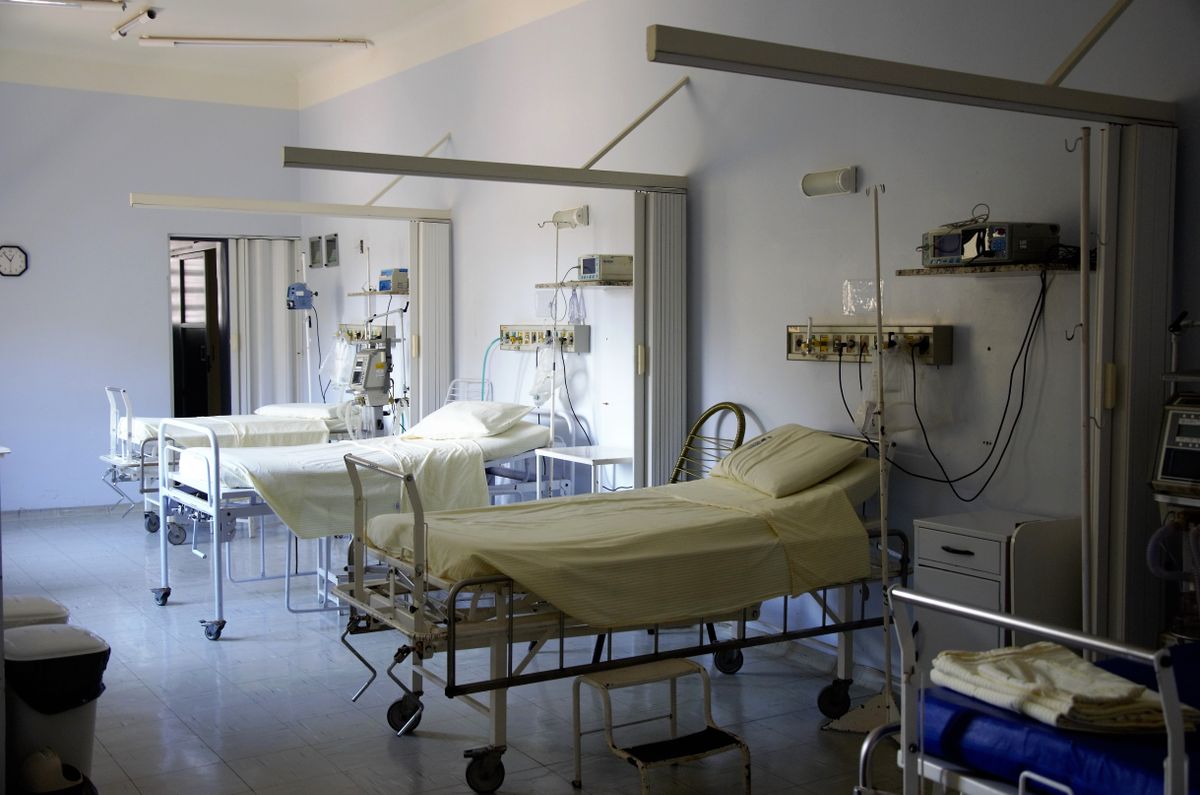
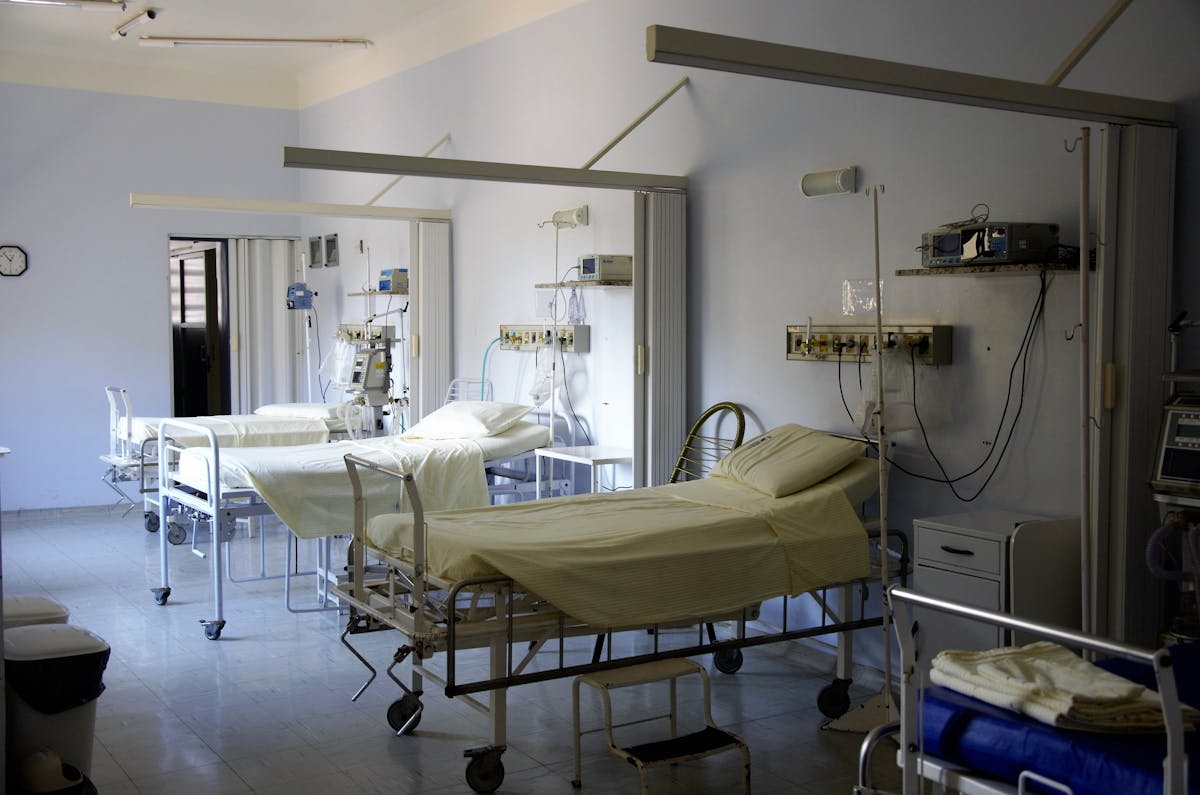
Imagine your 78-year-old mother suffers a severe fall or experiences sudden chest pressure. Emergency services rush her to the hospital. Doctors move her into a room, attach heart monitors, run diagnostic scans, administer IV medications, and keep her in a hospital bed for three full nights. She eats hospital meals, wears a plastic ID bracelet, and receives round-the-clock nursing care. When the physician determines she is stable enough for discharge, he recommends two weeks of physical therapy at a skilled nursing facility (SNF) to regain her mobility.
You breathe a sigh of relief, believing that Medicare will cover her hospital care and rehabilitation. Then, six weeks later, a financial nightmare arrives in the mail: a devastating $14,000 bill from the nursing home, accompanied by thousands of dollars in unexpected hospital co-pays. Why? Because despite staying 72 hours in a hospital room, your mother was never technically admitted as an “Inpatient.” Instead, the hospital classified her as an “Outpatient under Observation Status.”
💡 Insider Tip: The CMS “Two-Midnight Rule” & Hospital Audit Fear
Under the Centers for Medicare & Medicaid Services (CMS) “Two-Midnight Rule,” if a physician expects a patient to require hospital care spanning at least two midnights, the patient should generally be formally admitted as an inpatient. However, Medicare Recovery Audit Contractors (RACs) heavily penalize hospitals for “inappropriate inpatient admissions.” To eliminate their own financial audit risk, hospital utilization committees quietly keep vulnerable seniors classified under “Observation Status”—shifting financial liability squarely onto the patient.
1. Inpatient vs. Observation: The Technical Difference That Costs You Thousands
To understand how this billing trap works, you must recognize that in the eyes of Medicare, where you lay your head does not determine your status—only a formal doctor’s order does. The financial consequences between these two administrative labels are night and day:
- Inpatient Status (Medicare Part A): Formal inpatient admission triggers coverage under Medicare Part A (Hospital Insurance). Part A utilizes a single, set deductible ($1,632 per benefit period) that covers all inpatient hospital services—including room, nursing care, lab work, scans, and medications—for up to 60 days.
- Observation Status (Medicare Part B): Observation care is legally categorized as outpatient care under Medicare Part B (Medical Insurance). Instead of one single hospital deductible, you are responsible for the annual Part B deductible PLUS a 20% co-insurance fee for every individual doctor visit, diagnostic test, lab draw, and treatment service rendered during your stay.

Never assume sleeping in a hospital bed means you are an inpatient. Ask your physician directly about your exact admission status every single day.
The Self-Administered Drug Trap: Perhaps the most sinister expense under Observation Status involves daily maintenance medications. If a nurse brings you your regular blood pressure, diabetes, or cholesterol pill while you are in an observation bed, Medicare Part B considers these “self-administered drugs” and strictly refuses to pay for them. Furthermore, your retail Medicare Part D prescription plan will typically not cover drugs dispensed by an outpatient hospital pharmacy.
The result? The hospital bills you directly for these routine pills out-of-pocket at ridiculous retail markups—often charging $50 for a single aspirin or $200 for a single dose of blood pressure medication.
2. The Skilled Nursing Facility (SNF) Trap: Why The 3-Day Rule Will Destroy Your Savings
While unbundled Part B co-pays and marked-up medications are painful, the most catastrophic consequence of Observation Status occurs upon discharge. Under federal statutory law (42 U.S.C. § 1395x(i)), Medicare Part A will only cover post-hospital care in a Skilled Nursing Facility (SNF) or rehabilitation center if the patient has had a qualifying 3-consecutive-day inpatient stay.
This is known as the mandatory “3-Day Rule.” The 3 days must consist of consecutive inpatient days, starting on the day of formal inpatient admission (the day of discharge does not count).
Here is where the hospital trick ruins patients: Observation days DO NOT count toward the 3-day inpatient requirement.
If you spend two nights in “Observation Status” and then the doctor formally admits you as an “Inpatient” for two nights before discharge, Medicare counts your stay as only 2 inpatient days. Because you failed to meet the strict 3-day inpatient threshold, Medicare Part A will pay $0 for your rehabilitation facility care. Skilled nursing facilities cost between $300 and $600 per day. Patients routinely receive surprise bills ranging from $10,000 to over $30,000 simply because their hospital stay was misclassified.
3. The MOON Notice & Your Legal Appeal Rights
Due to widespread public outcry over this trap, Congress passed the NOTICE Act, which created the Medicare Outpatient Observation Notice (MOON). Hospitals are legally required to deliver a written MOON to any Medicare beneficiary who receives observation services as an outpatient for more than 24 hours.
The MOON notice explains that you are an outpatient, details why you are not an inpatient, and outlines the financial implications for your co-pays and post-hospital care. Important: Signing the MOON notice simply acknowledges that you received the document—it does NOT mean you agree with the classification or waive your right to challenge it.
Historically, patients had no formal legal right to appeal an observation status decision. However, following landmark federal court rulings (such as Alexander v. Azar), Medicare beneficiaries who are admitted as outpatients under observation and subsequently discharged without SNF coverage now have formal expedited appeal rights handled through their regional Beneficiary and Family Centered Care Quality Improvement Organization (BFCC-QIO).
Word-for-Word Advocacy Script
“Doctor/Case Manager, I see that my paperwork currently classifies me under ‘Observation Status.’ Given that I have already crossed a midnight in this hospital bed, require ongoing medical monitoring, and will need skilled nursing rehabilitation after discharge, I am requesting that you formally submit a physician order to admit me as an Inpatient under the CMS Two-Midnight Rule. If the hospital’s Utilization Review committee rejects inpatient status, I request a written copy of that determination so I can submit an expedited appeal to our regional BFCC-QIO quality organization before discharge.”
The Bottom Line

Do not let a hospital’s fear of a Medicare audit jeopardize your health and financial security. Being in a hospital bed, receiving IV fluids, and eating hospital meals does not automatically make you an inpatient. From the moment you or your loved one enters the hospital, ask the attending care team daily: “Is this patient formally admitted as an inpatient, or are they under observation?”
If you are placed in observation status, challenge the designation immediately while still in the building. Demand that the doctor invoke the Two-Midnight Rule, advocate for reclassification, and utilize your expedited BFCC-QIO appeal rights if rehab care is needed. Proactive advocacy in the hospital room is the only guaranteed protection against the observation status trap.