

“Hi, we’re calling about your health insurance. We just need your member ID to verify your coverage.”
Would you give it to them?
It is a scenario that plays out thousands of times every day across the United States. Your phone rings, a text chimes, or an email lands in your inbox. The person on the other end sounds professional, courteous, and authoritative. They know your name, they might even know who your insurance carrier is, and they have a perfectly reasonable explanation for why they need your insurance member ID.
But in an era where data is digital currency, handing over that alphanumeric code without a second thought is a gamble. On one hand, medical providers legitimately need this information to process claims and ensure you get care. On the other hand, scammers are actively hunting for these IDs to commit medical identity theft.
So, when is it normal to share this information, and when should you hit the brakes? As a smart healthcare consumer, you do not need to assume everyone is a fraudster. You just need to know how to spot the red flags and master the simple art of independent verification.
1. What Exactly Is an Insurance Member ID?
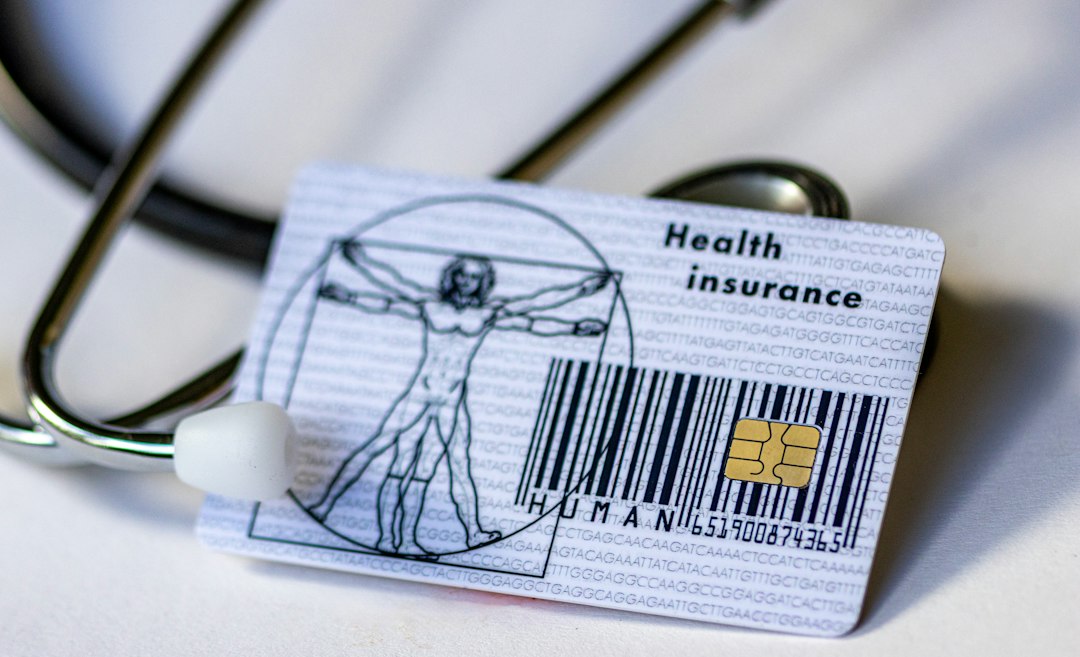
Your insurance member ID (sometimes called an enrollee ID or subscriber number) is a unique alphanumeric code assigned to you by your health insurance company. Think of it as the routing number for your healthcare journey. It connects your medical encounters to your financial benefits.
When you visit a doctor, the front desk uses this ID to query a massive database. It tells them if your policy is active, what your copays are, and where to send the final bill. Because of this, it is entirely normal—and legally necessary—for hospitals, clinics, pharmacies, and your insurance company to request it.
Your member ID is not a top-secret password. You will naturally share it frequently throughout your life. The danger arises not from the ID itself, but from who is asking for it and how they intend to use it.
2. The Important Question Isn’t Just “Who Are You?”
When someone asks for your health insurance information, human nature prompts us to ask, “Who is calling?” The problem is that a scammer will simply lie. They will confidently claim to be from Medicare, BlueCross, Aetna, or your local hospital network.
To protect your health insurance information, you must shift your mindset from verifying who they claim to be, to analyzing the context of the request. You should instantly ask yourself:
- Did I initiate this contact? (Are you returning a call, or did they contact you out of the blue?)
- Why do they need this right now? (Is there an upcoming appointment, or is the reasoning vague?)
- Can I verify this request through an official channel?
3. The 7 Red Flags of an Insurance Information Scam
Scammers use predictable psychological tactics to bypass your critical thinking. If you encounter any of the following red flags, pause before sharing anything.
Unexpected Outbound Contact
Government agencies like Medicare will almost never call you unprompted to ask for your member number. If you did not request a call back, an unexpected request is highly suspicious.
The “Act Now” Pressure
Scammers create false urgency. They will claim your coverage is about to be canceled, or you face a penalty if you do not “verify” your ID immediately. Legitimate insurers communicate cancellations via official mail with ample notice.
The Over-Ask
If someone calls to verify your health insurance but suddenly asks for your Social Security Number, bank account details, or a credit card to “process an update,” hang up immediately.
Unusual Channels
Legitimate healthcare entities will not ask for your insurance ID via WhatsApp, direct messages on social media, or emails from a generic @gmail.com address.
Suspicious Links
A text message containing a shortened, misspelled, or random URL (e.g., “update-health-benefits.info/login”) is a classic sign of health insurance phishing.
Refusal of Verification
If you say, “I will call the customer service number on the back of my card to complete this,” and the caller gets angry, defensive, or says “that will take too long,” it is a scam.
The “Freebie” Promise
Scammers often promise free back braces, DNA testing, diabetes supplies, or groceries if you just provide your Medicare or insurance member ID. They use your ID to bill the government or your insurer for thousands of dollars, leaving you with a polluted medical record.
4. Split Screen: Legitimate vs. Suspicious

How do these requests look in the real world? Here is how to tell the difference between a routine administrative task and a potential medical identity theft attempt.
A Request That May Be Legitimate
- Context: You are standing at the pharmacy counter, or you called your doctor’s office to schedule a new appointment.
- Information Requested: They ask for your Member ID, Group Number, and Date of Birth to run an eligibility check.
- Urgency: Zero pressure. If you don’t have it, they simply say, “Please bring the card to your appointment,” or “Call us back when you have it.”
- Payment: They only ask for standard copays clearly outlined in your plan’s benefits.
A Request That Deserves Verification
- Context: You receive an unsolicited phone call from someone claiming to be “with the health department” or “your insurance carrier.”
- Information Requested: They ask for your Member ID to “send a new card” or “prevent coverage suspension.”
- Urgency: High pressure. They state that the update must happen on this exact phone call.
- Payment: They ask for a processing fee for a “new chipped card” or promise free medical equipment.
5. The Safest Move: Verify Through a Channel You Trust
The absolute golden rule of data privacy is this: Never verify a caller by using the caller’s own contact information. If a caller says, “You can trust me, just call me back at this number,” you are still playing inside their trap.
If someone calls claiming to be from your insurance company and asks for your Member ID, politely say, “I don’t give out my information on incoming calls. I will call the customer service number on the back of my insurance card right now to handle this.” Hang up, turn your card over, and dial that exact number. If the request was legitimate, the official representative will see the note on your account.
6. What If They Send You a Link?
Scammers frequently use text messages (known as smishing) to steal insurance logins and Member IDs. They will send a message stating: “Notice: Your health benefits require verification. Click here to log in and confirm your ID.”
The Safe Digital Flow
Instead of clicking the link, manually open your web browser, type in your insurance company’s official website (e.g., Aetna.com, Medicare.gov), and log in securely. If there is a real issue, a notification will be waiting in your official dashboard.
7. The Privacy Ladder: What Information Should You Protect?
Not all information carries the same risk. The more data points a scammer collects, the easier it is to steal your identity or file fraudulent medical claims. Think of your information as a ladder of sensitivity.
Level 1: Basic Contact Information
Your name, phone number, and mailing address. Widely available in public records. Scammers use this to target you and build initial trust.
Level 2: Insurance Information
Your Member ID, Group Number, and Carrier Name. Allows bad actors to attempt medical identity theft, bill for phantom services, or order unwanted medical equipment in your name.
Level 3: Medical History & Conditions
Your diagnoses, prescriptions, and treating physicians. Highly sensitive. Scammers might use this to convince you they can get an off-label medication denial overturned for a “fee.”
Level 4: Financial & Identity Keys
Social Security Number (SSN), Credit Card Numbers, Account Passwords. The ultimate prize. Leads directly to full financial identity theft. Your insurer rarely needs your full SSN over a routine phone call.
8. What If You Already Gave Them Your Member ID?
If you reflect on a recent conversation and realize you may have handed your insurance information to a scammer, take a deep breath. A compromised member ID is serious, but it is not an immediate bank-draining event like a stolen credit card. Take these practical steps:
- Do Not Panic: Review exactly what information you shared. Was it just the ID, or did you also give away your SSN?
- Contact Your Insurer: Call the number on the back of your card. Inform their fraud department that your ID may have been exposed. They can flag your account for suspicious billing activity or issue you a new ID number.
- Monitor Your EOBs: Read every Explanation of Benefits (EOB) statement that arrives in the mail or in your portal. If you see claims for doctors you never visited or equipment you never ordered, dispute them immediately. If an insurer will not correct fraudulent claims charged to your account, you can file a complaint with your state insurance department. Our guide to medical identity theft covers the recovery steps in more detail.
- Escalate if Necessary: If you shared your SSN alongside your medical info, follow the official federal recovery steps at IdentityTheft.gov to place a fraud alert on your credit files.
9. “But Caller ID Said It Was My Insurance Company!”
Technology known as “Caller ID Spoofing” allows anyone with an internet connection to make their outgoing phone call look like it is coming from a trusted source. A scammer can easily make their call display “BlueCross,” “Medicare,” or even the exact 1-800 number printed on your card.
This is why Caller ID is no longer a valid tool for verifying a caller’s identity. There are legitimate reasons your insurer might call you—for instance, resolving coordination of benefits stalemates if you have secondary insurance. But a legitimate representative will never object to you hanging up and dialing the official customer service number to continue the conversation.
10. Mini Scenarios: Test Your Instincts
SCENARIO A: The Doctor’s Office
You call a new dermatologist to schedule a skin check. Before hanging up, the receptionist asks for your insurance member ID and group number.
What to check: This is generally safe. You initiated the call to a known medical provider. They need the ID to verify you are in-network before taking up a slot on the doctor’s calendar.
SCENARIO B: The Urgent Warning
An unexpected caller says they are from “The Health Insurance Marketplace.” They state your coverage will be canceled tonight unless you verify your Member ID and pay a small processing fee.
What to check: Highly suspicious. Government entities and insurers do not demand immediate fees over unexpected phone calls to prevent cancellation. Hang up.
SCENARIO C: The Emergency Bill
A caller claims to be from a hospital billing department, stating your recent ER visit wasn’t covered. They ask for your Member ID to “re-run the claim.”
What to check: Pause. While hospitals do follow up on unpaid claims, you must verify. Hang up and call the hospital’s official billing department. Also, ensure you understand how the prudent layperson standard protects you from improper ER denials before paying any demanded balances.
11. The 60-Second Verification Check
If an unexpected request catches you off guard, run through this hypothetical 60-second mental checklist to regain control of the situation.
00:00 — Stop
Do not instinctively answer the question. Silence is your best defense mechanism.
00:10 — Identify the Requester
Who do they claim to be? Note the organization name.
00:20 — Ask Why They Need It
Is the reason administrative, or are they using high-pressure tactics and threats?
00:30 — Disengage
Politely state, “I don’t have my card on me. I will call the main office shortly.” Hang up. Do not click their links.
00:40 — Find Independent Contact Info
Look at the back of your insurance card or find the hospital’s official website.
00:50 — Contact Independently
Dial the official number and ask if there is an issue with your account.
01:00 — Decide
If the official representative confirms they need the info, provide it safely.
12. Frequently Asked Questions (FAQ)
Is it safe to give a medical provider my insurance Member ID?
Yes, if you are actively seeking care from them. Doctors, hospitals, and pharmacies require this information to verify your benefits and bill your insurance correctly. The risk primarily comes from unsolicited, unexpected requests.
Can someone misuse an insurance Member ID?
Yes. If a scammer has your Member ID and basic demographic info, they can attempt medical identity theft. They might bill your insurance for durable medical equipment (like back braces) or treatments you never received, which can exhaust your benefits and pollute your medical records.
What should I do if someone calls asking for my insurance information?
If you did not expect the call, hang up. Do not confirm any personal details. If they claim to be your insurer, call the customer service number on the back of your insurance card to verify if they actually need anything from you.
Should I click a link sent by my insurer via text?
As a general rule of digital safety, avoid clicking links in text messages regarding your health benefits. It is much safer to manually type your health insurance company’s official website into your browser or open their official mobile app to check for notifications.
What if I already shared my Member ID with a suspicious caller?
Contact your health insurance company’s fraud department immediately. They can monitor your account for fraudulent claims. You should also meticulously review every Explanation of Benefits (EOB) you receive to ensure no phantom services are being billed under your name.
How can I verify that an insurance message is legitimate?
The only foolproof way to verify a message is to bypass the message entirely. Contact the organization through a trusted, independent channel—such as the phone number on your physical card, or your official patient portal—and ask them to confirm the request.
The Bottom Line
You do not have to prove that a request is a scam before you decide to slow down. Your insurance member ID is the gateway to your medical identity. If a phone call, text, or email makes you feel rushed, pressured, or confused, the safest response is always to hit pause. When in doubt, hang up, flip over your insurance card, and verify the request on your own terms. Protecting your health insurance information is simply a matter of controlling how and where you choose to share it.
Disclaimer: This article is general educational information, not legal, medical or financial advice. If you believe you are a victim of fraud, contact your insurer and the appropriate authorities.