
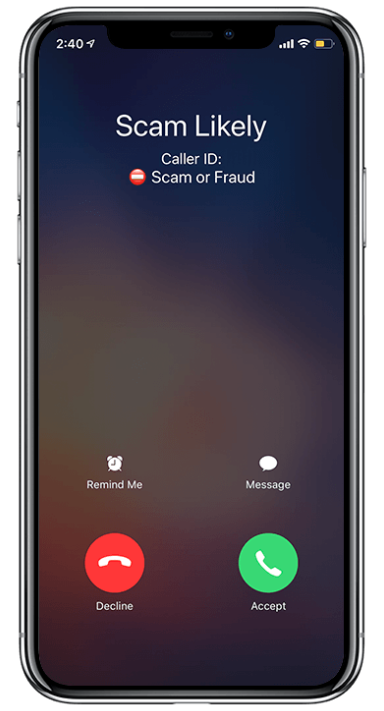
It’s a Tuesday morning in late October. The Medicare Annual Election Period has just begun. Your phone rings, and the screen flashes “Spam Likely” or perhaps a local area code you don’t recognize. You answer it out of curiosity. A polite, highly professional voice on the other end says, “Hello, this is the Medicare Advisory Board. We are calling to issue your new plastic Medicare card with the security chip. Can you please verify your Medicare number for me so we can mail it today?”
If you comply and read the numbers off your red, white, and blue card, you have just handed the keys to your healthcare identity to a predatory scammer.
During open enrollment seasons, fake health insurance call centers launch massive, highly orchestrated attacks on American seniors. These operations aim to steal your identity, bill Medicare for things you never received, or enroll you in a plan you did not choose so that someone can collect a commission. Here is how they typically operate, and the rules that help you protect yourself.
💡 Insider Tip: The “Yes” Audio Trap
Some scam calls open with “Can you hear me okay?” or “Is this [Your Name]?” Consumer agencies have warned that a recorded “Yes” could be misused as supposed proof that you agreed to something. You do not need to work out whether a particular call is doing this. If a call seems suspicious, just hang up.
1. The Anatomy of a Telemarketing Scam
Fake call centers rely on two psychological weapons: Authority and Fear. Nobody wants to lose health coverage, so a caller who claims to be a federal official and says there is a problem can pressure people into cooperating.
To gain your trust, scammers use “spoofing.” They use computer software to force a fake number to appear on your Caller ID. They will spoof local area codes so you think it’s a neighbor, or they will spoof the official 1-800-MEDICARE number.
Once you answer, they deploy one of three classic scripts:
- The “Plastic Card” Scam: They claim paper Medicare cards are expiring and you must verify your Medicare Beneficiary Identifier (MBI) to receive a secure, micro-chipped plastic card. (Fact: Medicare does not issue plastic cards with chips).
- The “Part B Giveback” Scam: They claim they can add money back to your Social Security check every month, but say they need your banking information or Medicare number to set it up. (Some Medicare Advantage plans do offer a real Part B premium reduction, but it is a plan feature you can check on Medicare.gov, not something a cold caller arranges.)
- The Threat of Cancellation: They aggressively state that your current plan is going bankrupt or terminating your coverage at midnight unless you verify your identity right now.

Scammers intentionally create a sense of panic, pushing you to make immediate decisions before you have time to consult your family or a legitimate broker.
2. The “Lead Generation” Bait and Switch
Not all scam calls are trying to steal your bank account. Some are run by “lead generation” companies that place unsolicited calls in bulk. When they reach someone who is willing to talk, they transfer the call to a licensed agent who may be more interested in a sale than in your needs.
The agent may read required disclosures very quickly. By the end of the call, you may have been enrolled in a different plan, for example a Medicare Advantage plan whose network does not include your doctors, without really understanding what changed. Agents earn commissions on enrollments, which is why this happens.
3. The 3 Golden Rules of Phone Defense
To survive the Annual Election Period without having your identity stolen or your healthcare disrupted, you must adopt a zero-tolerance policy for unsolicited phone calls. Memorize these three rules:
The Call Center Defense Playbook
-
🚫
Rule 1: Medicare Does Not Cold-Call for Your Number. Medicare and Social Security mainly contact people by mail. Medicare says it will not call you unprompted to ask for your Medicare number, bank details or Social Security number. If an unexpected caller claiming to be from Medicare asks for any of these, treat it as a scam and hang up.
-
🚫
Rule 2: Never Verify Information. If a caller says, “I just need to verify that your Medicare number ends in 456,” do not correct them or confirm it. Hang up the phone immediately.
-
🚫
Rule 3: Use the “Call Back” Strategy. If someone calls claiming to be from your actual insurance company (e.g., Humana or UnitedHealthcare) and says there is a problem with your billing, say: “I will call you right back on the number listed on the back of my ID card.” A legitimate agent will encourage you to do this; a scammer will try to keep you on the line.
4. What to Do If You’ve Already Been Scammed
If you accidentally gave out your Medicare number, or if you realize you were tricked into switching plans, do not panic, but act immediately.
First, call 1-800-MEDICARE (1-800-633-4227). Explain that your Medicare Beneficiary Identifier (MBI) was compromised. Ask whether you should be issued a new Medicare number, and review your Medicare Summary Notices or plan statements for services you did not receive.
Second, if you were enrolled in a plan without your clear consent or because of misleading information, tell 1-800-MEDICARE exactly what happened. Medicare can review the case and, in appropriate situations, offer a special enrollment period so you can return to your previous coverage. Act quickly, because the options can depend on timing.
5. It Is Not Only Medicare: Marketplace Enrollment Calls
The same playbook is used on people shopping for coverage under the Affordable Care Act. Ads promising “free” benefits or cash cards lead to a phone number, and the caller is then steered into a product that is not comprehensive insurance, or an agent enrolls or switches the person in a Marketplace plan without clear permission.
- Start at HealthCare.gov or your state’s official exchange, not at an ad. Our guide to look-alike websites shows how to tell the difference.
- Ask directly: “Is this an ACA-compliant plan sold through the Marketplace?” and ask for the plan name in writing.
- After enrolling, log in to your own Marketplace account and confirm the plan, the premium and the agent listed.
6. Red Flags Checklist
One of these on its own is a reason to slow down. Two or more is a reason to hang up.
- You did not ask for the call.
- The caller asks for your Medicare number, Social Security number or bank details early in the call.
- You are told you must decide today or lose your coverage.
- You are promised a free gift, cash card or new benefit for “verifying” information.
- The caller cannot give a company name, a license number or a callback number you can check.
- The caller discourages you from talking to family or calling your plan yourself.
- You are asked to pay by gift card, wire transfer or payment app.
For a quick routine you can use on any call, see the 60-second rule for stopping health insurance scammers.
7. A Worked Example (Hypothetical)
This scenario is hypothetical. It shows how a call can go and where the safe exits are.
A retiree receives a call from “the benefits department” offering a new card with extra dental coverage. The caller already knows her name and address and asks her to confirm her Medicare number “for security.”
- Safe exit 1: She says she does not handle this by phone and hangs up. Nothing further is needed.
- Safe exit 2: She asks for the company name and license number, says she will call back, and instead calls the number on her plan card. The plan confirms it did not place the call.
- If she had given the number: She would call 1-800-MEDICARE the same day, report the call, and check her next statements for unfamiliar claims or a plan change. Our guide to medical identity theft covers the follow-up steps.
Knowing your name and address does not make a caller legitimate. That information is widely available.
8. Where to Report a Suspicious Call
- Medicare: 1-800-MEDICARE (1-800-633-4227).
- Senior Medicare Patrol (SMP): a free program that helps people with Medicare spot and report fraud. Find your state’s office through the SMP website.
- Federal Trade Commission: ReportFraud.ftc.gov.
- Marketplace plans: the Marketplace call center, for unauthorized enrollments or plan changes.
- Your state department of insurance: for complaints about a licensed agent or an insurance product.
Write down the date, the time, the number shown on your phone and what the caller said. Even partial details help.
9. Common Mistakes
- Trusting Caller ID. The name and number on the screen can be faked.
- Staying on the line to be polite. Hanging up on an unsolicited caller is not rude; it is the recommended response.
- “Confirming” details the caller reads out. Confirming is the same as giving the information.
- Assuming every caller is a criminal, or that none is. Your own plan may call you for legitimate reasons. The fix is the same either way: hang up and call the number on your card.
- Not checking statements afterward. Unfamiliar claims or a new plan card you did not request are early signs of a problem.
Frequently Asked Questions
Can insurance agents legally call me?
Rules limit unsolicited contact about Medicare plans, and agents generally need your permission before calling you about them. Your current plan can contact you about your existing coverage. If you did not ask for a call and do not recognize the company, you can simply hang up.
Will Medicare ever call me?
Rarely, and usually only if you have called first and asked for a callback. Medicare says it will not call unprompted to ask for your Medicare number or to sell you anything.
I only gave my name and date of birth. Is that a problem?
It is much less serious than sharing a Medicare, Social Security or bank account number, but stay alert. Watch your statements and be cautious with follow-up calls that use those details to sound credible.
Does the National Do Not Call Registry stop these calls?
It reduces calls from legitimate telemarketers, but scammers ignore it. A sales call to a number on the registry is itself a warning sign.
What about texts and emails that look like they are from my insurer?
Treat them the same way: do not click the link, and contact the plan using the number on your card. See our 30-second checklist for insurance texts.
The Bottom Line

Fake health insurance call centers take advantage of how confusing coverage can be. But their approach fails the moment you hang up the phone. Guard your Medicare number as fiercely as your Social Security number, refuse to engage with unsolicited callers, and lean on trusted, local, independent brokers for your healthcare advice. Your peace of mind is worth far more than answering a ringing phone.